

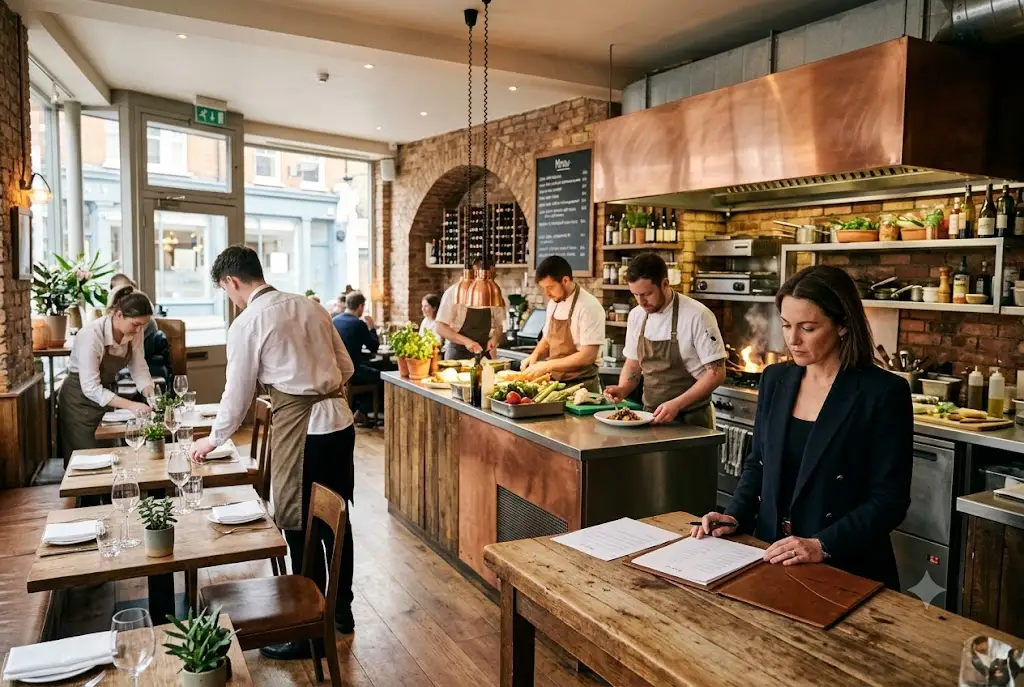
Starting a successful restaurant takes far more than a passion for food. If you want to start restaurant business in the UK, you’ll need careful planning, financial preparation, legal compliance, and a clear understanding of customer expectations. Whether you’re opening a cosy café, family restaurant, takeaway, or fine dining venue, building a solid foundation greatly increases your chances of long-term success.
The UK food industry remains highly competitive, but it also offers excellent opportunities for entrepreneurs who combine quality food with exceptional customer service and effective restaurant management. This guide explains the essential steps to launching a restaurant business while helping you avoid common mistakes.
Why the UK Food Industry Offers Strong Opportunities
The UK has one of Europe’s most diverse dining scenes. Consumers regularly seek new cuisines, healthier menu options, and unique dining experiences. From independent neighbourhood restaurants to modern food halls, there is room for innovative concepts that meet local demand.
Before opening your doors, spend time researching:
- Your local competition
- Customer demographics
- Popular dining trends
- Average spending habits
- Potential business locations
Understanding the wider food industry allows you to identify market gaps and create a restaurant that stands out.
Create a Business Plan Before You Start Restaurant Business
A comprehensive business plan acts as your roadmap and is often required when applying for funding or investment.
Your plan should include:
- Restaurant concept
- Target audience
- Menu strategy
- Location analysis
- Marketing plan
- Startup costs
- Projected income
- Operating expenses
- Growth objectives
Having clear financial projections also helps you make informed decisions during the early stages of your business.
Choose the Right Restaurant Concept
Your restaurant concept influences everything from branding to menu pricing.
Popular Restaurant Types
- Casual dining
- Fine dining
- Fast casual
- Takeaway
- Street food restaurant
- Family restaurant
- Speciality cuisine
Select a concept that matches both your experience and local customer demand.
Select the Best Location
Location remains one of the biggest factors affecting restaurant success.
When evaluating premises, consider:
- Foot traffic
- Parking availability
- Public transport access
- Nearby competitors
- Rental costs
- Visibility
- Future development plans
A busy location may have higher rent but often attracts more customers.
Understand UK Legal Requirements
Every restaurant must comply with UK laws before trading.
Typical requirements include:
- Registering your food business with the local authority
- Food hygiene compliance
- Business insurance
- Employer responsibilities
- Fire safety regulations
- Health and safety requirements
- Waste disposal regulations
- Licensing where applicable
The Food Standards Agency provides official guidance for food businesses operating in the UK.
Restaurant Management Is the Key to Long-Term Success
Even excellent food cannot compensate for poor operations. Effective restaurant management ensures smooth daily service while keeping costs under control.
Focus Areas
- Inventory management
- Supplier relationships
- Staff scheduling
- Customer service
- Food quality control
- Cost management
- Health and safety compliance
Many successful restaurant owners also use digital point-of-sale systems and reservation software to improve efficiency.
Develop a Menu That Customers Remember
Your menu should reflect your brand while remaining practical to prepare consistently.
Consider including:
- Signature dishes
- Seasonal specials
- Vegetarian and vegan options
- Children’s meals
- Allergen information
- Reasonable pricing
Rather than offering too many choices, focus on delivering excellent quality across a carefully selected menu.
Hire and Train the Right Team
Your employees represent your restaurant every day.
Recruit individuals who demonstrate:
- Professionalism
- Reliability
- Communication skills
- Food safety awareness
- Customer service experience
Regular staff training helps maintain consistent service standards and improves customer satisfaction.
Plan Your Restaurant Marketing Strategy
Marketing should begin before opening day.
Effective promotional methods include:
- Professional website
- Google Business Profile
- Social media marketing
- Email newsletters
- Opening promotions
- Local partnerships
- Customer loyalty programmes
Positive customer reviews and word-of-mouth recommendations remain some of the most valuable forms of restaurant marketing.
Manage Restaurant Finances Carefully
Many restaurants struggle because of poor financial planning rather than lack of customers.
Track important figures such as:
- Food costs
- Labour costs
- Profit margins
- Monthly cash flow
- Supplier expenses
- Average customer spend
Reviewing these metrics regularly allows you to make informed decisions before small issues become major problems.
Stay Competitive in the Food Industry
The food industry continues to evolve with changing customer preferences.
Restaurants that remain competitive often:
- Update menus seasonally
- Introduce healthier options
- Offer online ordering
- Provide takeaway services
- Collect customer feedback
- Invest in staff development
Adapting to customer expectations while maintaining consistent quality helps build long-term success.
Explore Related Dining Trends
As your knowledge of the restaurant sector grows, it also helps to understand broader dining trends across the UK. If you’re interested in nutritious menu options, our guide to healthy restaurant meals explores popular choices for health-conscious diners.
Restaurant owners can also benefit from analysing successful competitors. Discover what makes the leading fast food chains UK so popular and how customer expectations continue to evolve.
If you’re considering regional cuisine, our upcoming guides on Pakistani restaurants Birmingham and the best restaurants London showcase thriving dining markets across the country.
Final Thoughts
Learning how to start restaurant business successfully requires planning, commitment, and continuous improvement. From selecting the right location and creating an attractive menu to mastering restaurant management and understanding the wider food industry, every decision contributes to your restaurant’s future success. By focusing on quality, customer satisfaction, and efficient operations, you’ll be well positioned to build a sustainable restaurant business in the UK.
