

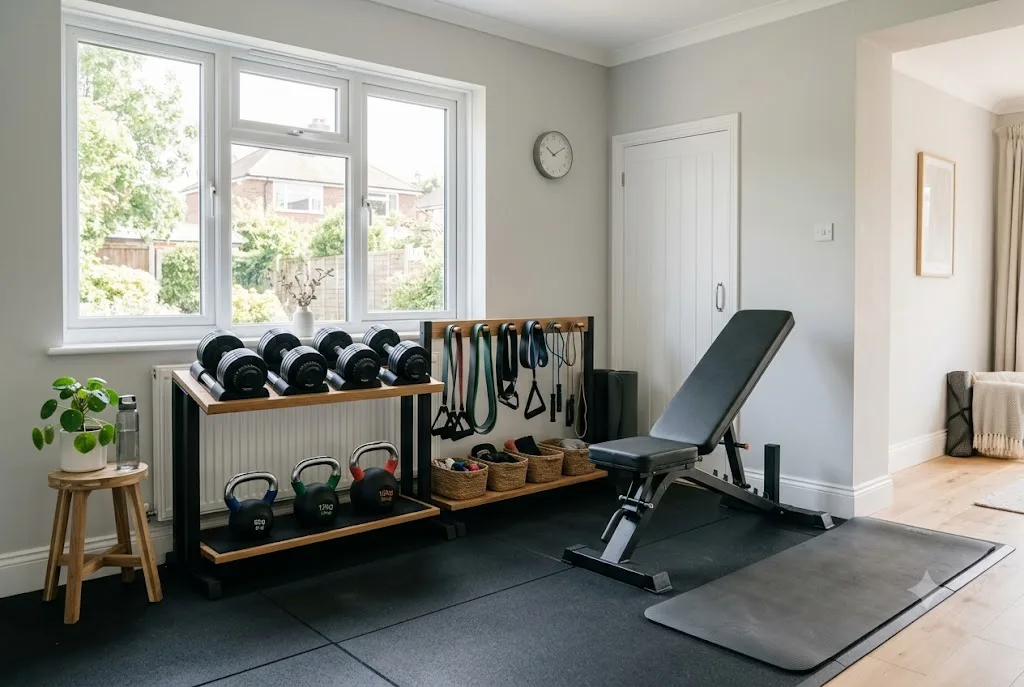
A well-planned home gym setup can help you stay consistent with your fitness goals without spending a fortune on expensive memberships or commercial equipment. Whether you’re working with a spare room, garage, loft, or even a small corner of your living room, it’s possible to create an effective workout space that supports strength training, cardio, and flexibility exercises.
The key is choosing versatile fitness equipment that suits your goals and making the most of the space you already have. With careful planning, even a modest budget can provide everything you need for productive home workouts.
Why Invest in a Home Gym Setup?
A dedicated home gym setup offers convenience, flexibility, and long-term value. Instead of travelling to a fitness centre, you can exercise whenever it fits your schedule.
Some of the main advantages include:
- No monthly gym membership fees.
- Exercise at any time of day.
- Greater privacy during workouts.
- Personalised training environment.
- Long-term savings on fitness costs.
- Suitable for the whole household.
For many people, removing barriers such as travel time makes it easier to maintain a consistent exercise routine.
Choose the Right Workout Space
You don’t need an entire room to build an effective gym. Many people successfully create a compact workout space using:
- A spare bedroom.
- A garage.
- A basement.
- A garden studio.
- A corner of the living room.
- An unused office space.
Wherever you choose, ensure there’s enough room to move safely and store equipment neatly.
Essential Budget-Friendly Fitness Equipment
You don’t need expensive machines to enjoy effective workouts. Start with versatile equipment that allows you to perform multiple exercises.
Adjustable Dumbbells
Adjustable dumbbells save space while allowing you to increase resistance as you become stronger. They are suitable for exercises such as presses, rows, lunges, squats, and shoulder movements.
Resistance Bands
Resistance bands are affordable, portable, and suitable for beginners and experienced exercisers alike. They can be used for strength training, mobility work, and rehabilitation exercises.
Exercise Mat
A quality exercise mat provides comfort during stretching, yoga, core exercises, and bodyweight workouts while protecting your flooring.
Kettlebell
A single kettlebell supports a wide range of functional exercises including swings, goblet squats, presses, and carries, making it one of the most versatile pieces of equipment.
Skipping Rope
A skipping rope delivers an excellent cardio workout while taking up almost no storage space. It’s an affordable way to improve coordination, endurance, and calorie burning.
Cardio Equipment Worth Considering
If your budget allows, adding one piece of cardio equipment can provide year-round exercise regardless of the weather.
Popular options include:
- Treadmills.
- Exercise bikes.
- Rowing machines.
- Cross trainers.
Choose equipment that matches both your available space and preferred style of exercise.
If you’re considering a treadmill, our article on benefits of running daily explains how regular running supports heart health, endurance, and overall wellbeing.
Organising Your Workout Space
A tidy training area makes exercise safer and more enjoyable.
Simple organisation ideas include:
- Wall-mounted storage racks.
- Storage baskets for accessories.
- Vertical shelving.
- Weight stands.
- Foldable benches.
- Hooks for resistance bands.
Good organisation also helps protect equipment and keeps your home looking uncluttered.
Lighting and Ventilation
A bright, well-ventilated room creates a more comfortable training environment. Natural daylight is ideal, but quality LED lighting also works well if natural light is limited.
Good airflow helps regulate temperature during more demanding workouts.
Build Strength Without Expensive Machines
Many highly effective workouts require very little equipment.
Exercises such as:
- Push-ups
- Squats
- Planks
- Lunges
- Burpees
- Mountain climbers
can all be performed using only your body weight.
If your goal includes losing body fat, our guide on best exercises for weight loss explores effective bodyweight and strength exercises that fit perfectly into a home gym.
Support Your Training with Good Nutrition
Even the best home gym cannot replace proper nutrition. Muscle recovery depends on eating enough protein, carbohydrates, healthy fats, and staying hydrated.
To support recovery after resistance training, read our article on protein foods for muscle gain, which covers nutritious food choices for building lean muscle.
Common Home Gym Mistakes
Many beginners spend too much money before establishing a routine. Avoid these common mistakes:
- Buying equipment you rarely use.
- Ignoring available floor space.
- Choosing poor-quality equipment.
- Skipping warm-ups.
- Failing to maintain equipment.
- Overcrowding the room.
Starting with essential items and upgrading gradually is usually the most cost-effective approach.
Creating a Sustainable Fitness Routine
A home gym is only valuable if it’s used regularly. Set realistic goals, schedule regular workout sessions, and gradually increase the intensity of your training as your fitness improves.
Consistency matters far more than having the most expensive equipment.
Final Thoughts
A practical home gym setup doesn’t require a large budget or a dedicated fitness studio. With versatile equipment, smart storage solutions, and a well-organised workout space, you can build an environment that supports strength training, cardio exercise, and long-term health.
Focus on purchasing quality essentials first, maintaining consistency, and combining regular exercise with balanced nutrition. Over time, your home gym can grow alongside your fitness goals while continuing to save both time and money.
For trusted advice on staying physically active, visit the NHS exercise guidance.
