

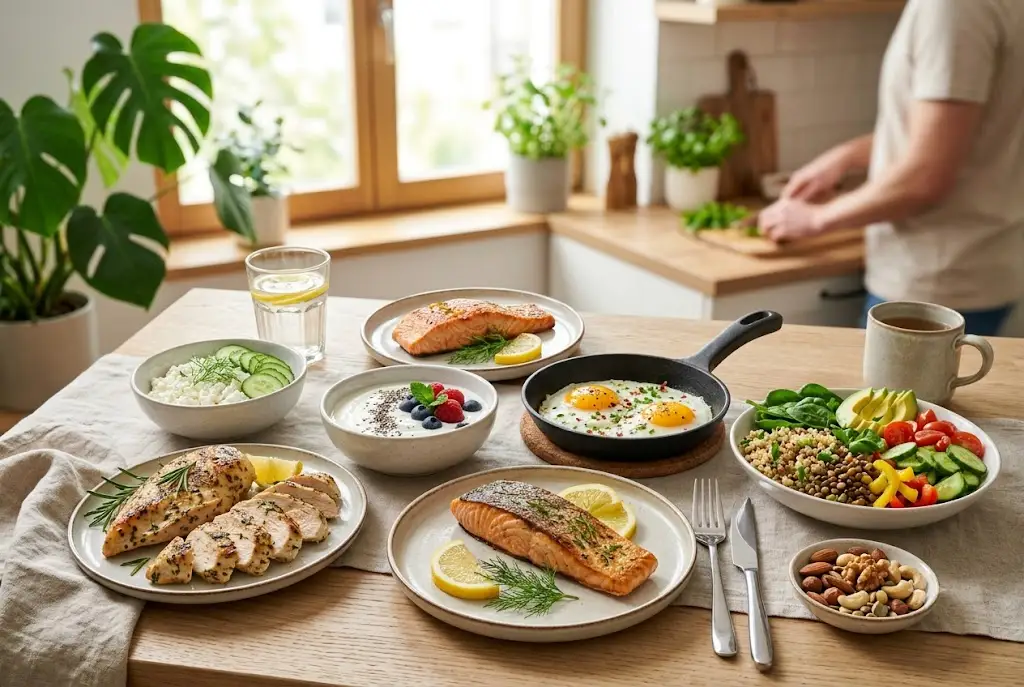
Choosing the right protein foods for muscle gain is one of the most important steps in building lean muscle and improving workout performance. Whether you’re new to resistance training or an experienced gym-goer, protein plays a vital role in repairing muscle tissue, supporting recovery, and helping your body adapt after exercise. Combined with consistent strength training and a balanced diet, high-quality protein sources can help you make steady progress towards your fitness goals.
While protein supplements are popular, whole foods should remain the foundation of any healthy eating plan. A balanced approach provides essential vitamins, minerals, healthy fats, and carbohydrates alongside the protein your body needs.
Why Protein Foods for Muscle Gain Are Essential
Every strength workout creates tiny tears within muscle fibres. During recovery, your body repairs these fibres using amino acids from dietary protein, helping muscles become stronger and larger over time.
A well-planned bodybuilding diet also supports:
- Faster muscle recovery
- Improved strength development
- Reduced muscle breakdown
- Greater workout performance
- Healthy metabolism
- Long-term body composition improvements
Without sufficient protein intake, muscle recovery becomes slower, making it harder to achieve consistent progress.
How Much Protein Do You Need?
Protein requirements vary depending on activity level, age, and training intensity. People who regularly perform resistance exercise generally require more protein than those with a sedentary lifestyle.
Many sports nutrition experts recommend spreading protein intake evenly across meals throughout the day rather than consuming it all at once. This approach supports continuous muscle repair and recovery.
Lean Chicken Breast
Chicken breast remains one of the most popular protein foods for muscle gain. It provides high-quality complete protein while remaining relatively low in fat, making it suitable for many nutrition plans.
Grilled, baked, or air-fried chicken pairs well with vegetables, rice, potatoes, or whole grains for balanced meals.
Eggs
Eggs contain complete protein with all essential amino acids. They are also rich in vitamins, minerals, and healthy fats that support overall health.
Whether boiled, scrambled, poached, or used in healthy recipes, eggs are a convenient option for breakfast or post-workout meals.
Fish and Seafood
Salmon, tuna, cod, and other fish provide excellent protein alongside beneficial omega-3 fatty acids, which may support heart health and recovery after exercise.
Including fish once or twice each week adds nutritional variety while supporting your overall gym nutrition plan.
Lean Beef
Lean cuts of beef offer high-quality protein together with iron, zinc, and vitamin B12. These nutrients contribute to energy production and normal muscle function.
Select leaner cuts where possible and enjoy beef as part of a varied, balanced diet.
Greek Yoghurt
Greek yoghurt contains considerably more protein than regular yoghurt while providing calcium and probiotics that support digestive health.
It makes an excellent snack, breakfast ingredient, or post-workout meal when combined with fruit, oats, or nuts.
Cottage Cheese
Cottage cheese is another protein-rich dairy option that’s especially popular before bedtime due to its slower-digesting casein protein.
Pair it with berries, sliced fruit, or wholegrain crackers for a nutritious snack.
Plant-Based Protein Sources
Vegetarians and vegans can also meet their protein requirements by including a wide variety of plant foods.
Excellent options include:
- Lentils
- Chickpeas
- Black beans
- Kidney beans
- Tofu
- Tempeh
- Edamame
- Quinoa
- Mixed nuts and seeds
Eating a variety of plant proteins throughout the day helps provide a broad range of amino acids.
Should You Use Protein Supplements?
Protein powders can be convenient when whole-food meals aren’t practical, but they should supplement rather than replace a balanced diet.
Whey protein is popular because it’s quickly absorbed after workouts, while plant-based protein powders provide suitable alternatives for those avoiding dairy.
If your daily meals already provide sufficient protein, supplements may not be necessary.
Nutrition and Exercise Work Together
Even the best protein foods for muscle gain cannot replace consistent exercise. Resistance training stimulates muscle growth, while adequate protein supports recovery and development.
If you’re beginning your fitness journey, our guide on best exercises for weight loss explains how strength training and cardio complement healthy nutrition.
For those creating a convenient workout environment, our upcoming article on home gym setup explores affordable ways to build an effective exercise space.
Sample High-Protein Daily Meal Ideas
Breakfast
- Greek yoghurt with oats and berries
- Scrambled eggs on wholegrain toast
Lunch
- Grilled chicken with brown rice and vegetables
- Lentil salad with mixed vegetables
Dinner
- Baked salmon with sweet potato
- Lean beef stir-fry with vegetables
Healthy Snacks
- Cottage cheese
- Mixed nuts
- Boiled eggs
- Protein smoothie
Common Mistakes to Avoid
Many people unintentionally slow muscle growth by making simple nutritional mistakes.
- Eating too little protein.
- Relying only on supplements.
- Skipping meals after workouts.
- Ignoring overall calorie intake.
- Not drinking enough water.
- Inconsistent resistance training.
Building muscle requires patience, regular training, quality nutrition, and adequate recovery.
Final Thoughts
Including a variety of protein foods for muscle gain in your daily diet provides the nutrients your body needs to recover, become stronger, and support long-term fitness goals. Lean meats, fish, eggs, dairy products, legumes, and plant-based proteins all contribute to a balanced eating plan.
Rather than focusing on one single food, aim for consistent healthy eating alongside regular resistance exercise and sufficient rest. This combination offers the best opportunity for sustainable muscle development and improved overall health.
For evidence-based dietary advice, visit the NHS healthy eating guidance.
