

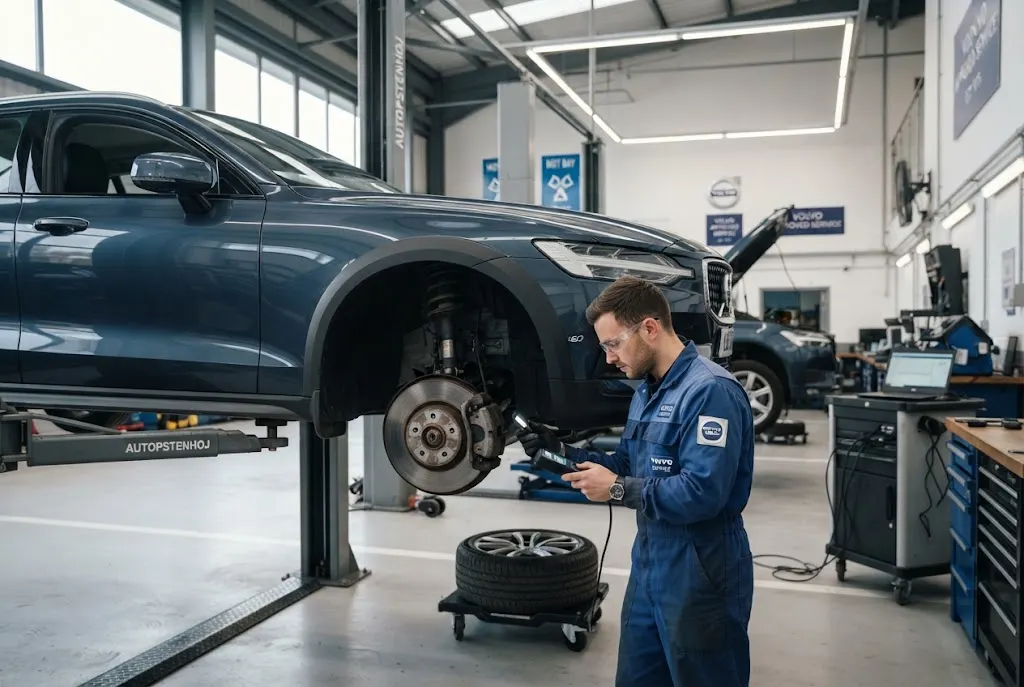
Vehicle safety checks are an important part of keeping a family car dependable, particularly when the vehicle is used for school runs, commuting, shopping and longer journeys. A car can appear to be running normally while developing problems with its brakes, tyres, suspension, steering, battery or other safety-related components. Regular checks help identify potential issues early and give drivers a clearer picture of their vehicle’s condition.
Family vehicles often carry passengers of different ages, so basic safety maintenance should not be overlooked. A sensible inspection can cover the components that directly affect how a vehicle stops, steers, grips the road and starts reliably. It can also complement routine servicing and specialist work such as car air conditioning service, ensuring that comfort and mechanical safety are considered separately.
Why Vehicle Safety Checks Matter for Family Cars
A family car may accumulate significant mileage through regular daily use. Short journeys, frequent stopping, motorway trips and carrying heavier loads can all place demands on different parts of the vehicle.
Some problems develop gradually and may not be obvious from the driver’s seat. Brake wear, uneven tyre wear, suspension deterioration or steering problems can become noticeable only after the condition has progressed. A professional vehicle inspection provides an opportunity to examine important systems before a minor issue turns into a more disruptive repair.
Safety checks are not a replacement for the vehicle manufacturer’s recommended servicing schedule or legally required inspections. Instead, they are a practical part of maintaining a vehicle between scheduled maintenance appointments.
What Should Vehicle Safety Checks Cover?
A useful safety inspection should consider the main components that influence braking, handling, road contact and reliable operation. The precise inspection will vary according to the vehicle, its age, mileage and condition.
Brake Services and Brake Condition
Brakes are among the most important safety components on any vehicle. During appropriate brake services, a technician may assess brake pads, discs, drums, callipers and other relevant components depending on the vehicle’s braking system.
Drivers should pay attention to warning signs such as unusual grinding or squealing, vibration while braking, a change in pedal feel or a vehicle that appears to pull to one side under braking. These symptoms can have different causes, so professional diagnosis is preferable to assuming that a particular component needs replacing.
Tyre Condition and Tread
Tyres are the vehicle’s contact point with the road, making their condition particularly important. A basic check should consider tread, inflation pressure, visible damage and uneven wear.
Look for cuts, cracks, bulges or objects embedded in the tyre. Uneven wear can also provide clues about wheel alignment, suspension condition or incorrect tyre pressures.
UK government guidance states that cars, light vans and passenger vehicles generally require a minimum legal tread depth of 1.6mm across the central three-quarters of the tread and around its entire circumference. However, legal minimums should not be treated as a target for routine maintenance. Drivers should follow tyre manufacturer and vehicle recommendations and replace tyres when their condition requires it.
Suspension Repair and Inspection
The suspension system contributes to vehicle stability, handling and ride control. Worn or damaged components may affect how the vehicle behaves when cornering, braking or travelling over uneven surfaces.
Signs that may justify an inspection include excessive bouncing, unusual knocking sounds, uneven tyre wear or changes in how the car handles. If a technician identifies a defective component, suspension repair may be necessary.
Steering Alignment and Wheel Alignment
Correct steering and alignment help the vehicle track properly on the road. If the car pulls noticeably to one side, the steering wheel is off-centre while driving straight or the tyres show unusual wear, the vehicle may need further investigation.
Wheel alignment is sometimes required after certain suspension or steering repairs, or when alignment has been affected by impacts such as hitting a pothole. However, pulling to one side can have several possible causes, so an inspection should establish the reason before adjustment is carried out.
Battery Inspection Is Part of Reliable Vehicle Maintenance
A weak battery may not necessarily create an obvious warning before the vehicle struggles to start. Regular battery inspection can help identify potential issues with battery condition and starting performance.
This can be particularly useful for family vehicles that need to remain dependable during early-morning school runs or longer journeys. If testing indicates that the battery is approaching the end of its useful life, replacing it before complete failure may be more convenient than dealing with a breakdown.
Drivers can also learn more about auto battery service when they need battery testing, replacement or other battery-related assistance.
Simple Checks Drivers Can Perform at Home
Not every safety check requires specialist equipment. Drivers can carry out several basic observations as part of their regular vehicle care routine.
- Check tyre pressures against the vehicle manufacturer’s recommended figures.
- Look for visible tyre damage and unusual tread wear.
- Check that exterior lights are working correctly.
- Pay attention to unusual noises, vibrations or changes in handling.
- Make sure warning lights on the dashboard are not being ignored.
- Check that windscreen washer fluid is available and the wipers provide a clear view.
- Look under the vehicle for signs of unusual fluid leaks.
These checks are useful, but they cannot replace a professional inspection of components that are difficult to assess without lifting equipment or specialist diagnostic tools.
When Should a Family Car Have a Safety Inspection?
The appropriate frequency depends on the vehicle and how it is used. A car that covers high mileage or regularly travels long distances may justify more frequent attention than a vehicle used only occasionally.
A safety inspection can also be sensible before a long family road trip. This gives the driver an opportunity to identify obvious concerns with tyres, brakes, fluids, lights and other components before travelling a significant distance.
Similarly, an inspection may be worthwhile when buying a used vehicle, after an accident or significant pothole impact, or when the driver notices a new handling or braking symptom.
Vehicle Inspection After Warning Signs
Warning signs should not be dismissed simply because the vehicle continues to drive. A car may remain operational even when a component is deteriorating.
For example, unusual braking noise may indicate wear, while steering vibration could have several possible causes. Similarly, a repeated starting problem may require more than simply charging the battery. A professional vehicle inspection can help establish whether the issue is isolated or part of a wider maintenance problem.
If a safety inspection identifies a repair requirement, addressing it promptly can help prevent the issue from affecting other components. For more extensive mechanical problems, drivers may need auto repair services covering areas such as engine, gearbox, clutch, exhaust and electrical work.
Combining Safety Checks With Routine Servicing
Safety maintenance works best when it forms part of a wider vehicle-care routine. Scheduled servicing can address manufacturer-recommended maintenance, while additional checks can focus on condition and emerging problems.
Families that want a more structured approach can consider car service plans. A planned maintenance schedule can make it easier to remember important appointments rather than waiting until a problem becomes obvious.
Comfort-related maintenance also has its place. For example, drivers who notice poor cooling or unusual smells can arrange car air conditioning service separately from mechanical safety work. Keeping these areas distinct helps ensure that important safety components receive the attention they need.
Preparing a Family Vehicle for Longer Journeys
Before a holiday or extended road trip, allow enough time for a basic inspection. Check tyre pressures and condition, fluid levels, lights, windscreen visibility and the general operation of the vehicle.
If you have noticed braking noise, steering changes, suspension sounds or repeated starting difficulties, arrange professional attention before travelling. It is generally easier to deal with a developing problem at home than during a long journey.
Also consider the vehicle’s load. Heavy luggage and additional passengers can affect tyre pressures and vehicle dynamics, so drivers should follow the manufacturer’s guidance for loading and recommended tyre pressures.
Keep Safety Maintenance Consistent
Family car safety does not depend on one inspection. It comes from consistently paying attention to the vehicle and responding to warning signs. Vehicle safety checks can help identify concerns involving brakes, suspension, steering, tyres and battery condition before they become more disruptive.
A sensible approach combines regular driver checks, manufacturer-recommended servicing and professional inspections when something feels or sounds different. Keeping maintenance organised through suitable car service plans can also make routine appointments easier to manage.
Most importantly, do not ignore changes in braking, steering, handling or tyre condition. When a safety-related issue appears, a qualified technician can assess the vehicle and explain what work, if any, is required. That approach helps families maintain a reliable car while avoiding unnecessary repairs and keeping essential maintenance focused on the condition of the vehicle.
