

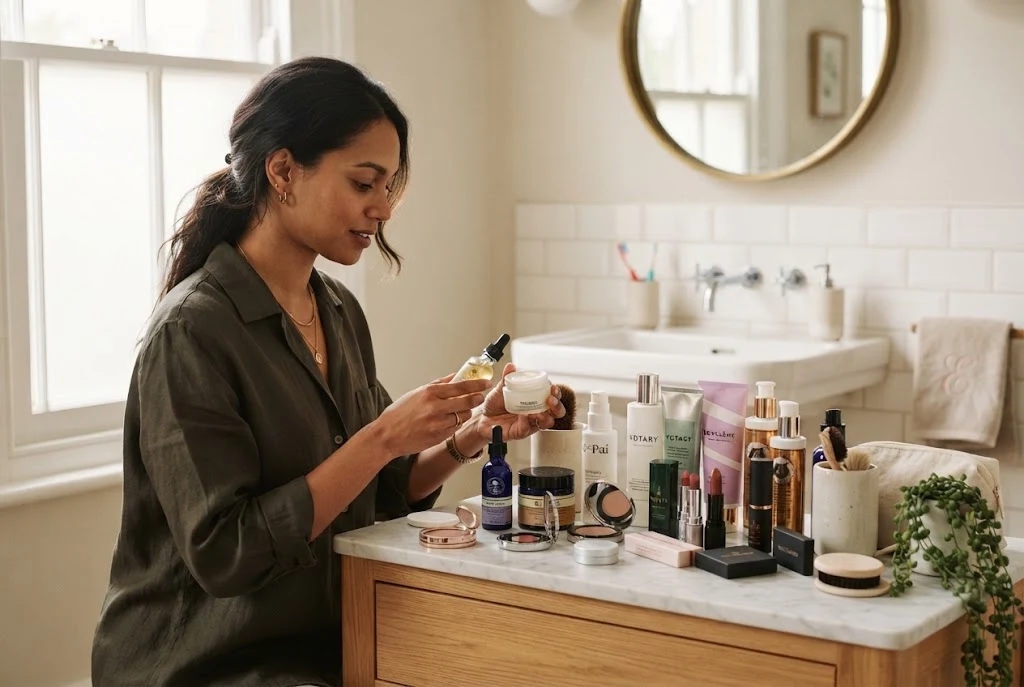
Choosing from the many beauty brands UK shoppers can access today can feel surprisingly difficult. From established British names and independent skincare companies to makeup specialists and international brands with a strong UK presence, there is no shortage of choice. For families, however, the best brand is not necessarily the most fashionable or expensive. Ingredients, value, reputation, suitability and sustainability can all matter when deciding what deserves a place in an everyday beauty routine.
The British beauty market also covers a remarkably broad range of needs. Some brands focus on skincare, others specialise in makeup, haircare, fragrance or body products, while some have built their identity around natural ingredients, scientific formulations or more sustainable practices. Understanding those differences makes it easier to shop with confidence instead of simply following whatever happens to be trending online.
Why Beauty Brands UK Shoppers Have So Much Choice
The UK has a mature and diverse beauty market, with products available through department stores, pharmacies, supermarkets, specialist retailers, brand websites and online marketplaces. Boots alone says it carries more than 500 beauty brands, including both its own brands and major international names. Its own-brand portfolio includes No7, Liz Earle Beauty Co., Botanics, YourGoodSkin, Sleek MakeUP and Soap & Glory.
This variety is useful, but it also creates a problem: more choice does not automatically make shopping easier. Two products can appear similar while having very different ingredients, prices, packaging and intended uses.
For families, therefore, choosing a brand should start with the household’s actual requirements rather than a generic list of “best” products.
What Makes the Best Beauty Brands UK Shoppers Can Choose?
There is no single definition of the best British cosmetic brands. A luxury skincare company may be ideal for one shopper, while an affordable pharmacy brand may be much more appropriate for another.
Instead of ranking brands purely by popularity, consider five practical factors:
- Product suitability: Does the brand offer products appropriate for the intended skin, hair or makeup needs?
- Ingredients: Are the formulations clearly explained and easy to understand?
- Value: Does the price make sense considering the quantity, frequency of use and performance expected?
- Reputation: Does the company provide clear information about its products, policies and customer support?
- Responsibility: Does the brand make credible efforts around packaging, sourcing, animal welfare or environmental impact?
These factors are more useful than simply choosing the brand with the biggest social media following.
British Beauty Brands and Heritage
British beauty has a long history, and some companies have built their reputation over many decades. That heritage can be valuable because it may reflect experience, established manufacturing processes and long-term customer recognition.
No7 is one example. The brand says it launched in 1935 and built its identity around combining affordability with cosmetic and skincare expertise. Today, it remains part of the wider No7 Beauty Company portfolio.
Heritage, however, should not be treated as an automatic guarantee of quality. A long-established company still needs to offer products that suit modern consumers and communicate clearly about ingredients, testing, sustainability and value.
Likewise, a newer independent business should not be dismissed simply because it lacks decades of history. The UK’s beauty sector continues to produce smaller brands with distinctive approaches to formulation, packaging and customer needs.
How to Compare British Cosmetic Brands
When comparing British cosmetic brands, begin with the product rather than the marketing message. Look at what the product is designed to do and whether that purpose matches the person who will use it.
For example, a family looking for an everyday moisturiser may prioritise a comfortable formula, sensible price and easy availability. Someone searching for targeted skincare may instead care more about particular active ingredients and the concentration or formulation of those ingredients.
The same principle applies to makeup. A household may get more value from versatile products that are used frequently than from a large collection of specialist shades that rarely leave the drawer.
It is also worth comparing the cost per use rather than only the purchase price. A slightly more expensive product that lasts considerably longer may provide better value than a cheaper alternative that needs replacing frequently.
British Makeup Brands List: What Should You Look For?
People searching for a British makeup brands list will find everything from established cosmetics companies to specialist independent labels. Charlotte Tilbury, for example, has become one of the most recognisable British makeup names internationally, while brands such as REFY have developed strong identities around brows and modern makeup.
Sephora UK’s current Best of British Beauty selection also highlights British brands across several categories, including Charlotte Tilbury, BYOMA, Hair by Sam McKnight, The INKEY List and MEDIK8. This demonstrates how broad the modern British beauty sector has become, stretching from makeup into skincare and haircare.
When choosing makeup for everyday family use, consider versatility and wearability. Products that can transition between work, social occasions and casual routines can offer better value than products designed for a single look.
It is also worth checking whether a product complements what you already own. Buying another similar lipstick, foundation or blush simply because it is popular can quickly create unnecessary spending.
Ingredients Matter More Than Brand Recognition
A familiar brand name can make shopping feel safer, but consumers should still read the product information. Different products from the same company can have completely different purposes and formulations.
Families should pay particular attention to individual needs. Someone with sensitive skin may want a different approach from someone looking for a richer moisturising product. Likewise, haircare requirements can vary substantially depending on hair type, styling habits and environmental conditions.
Ingredient lists can look complicated, but shoppers do not need to become cosmetic chemists to make sensible decisions. Start by understanding what the product is intended to do and look for clear information from the manufacturer about how it is formulated and used.
When a product makes an impressive claim, check the supporting information rather than assuming the marketing headline tells the whole story.
Value Should Be Part of Every Beauty Decision
Household budgets are an important part of beauty shopping. A premium product may be worthwhile in some circumstances, but premium pricing should not automatically be confused with better value.
A practical beauty budget can separate products into essentials, useful upgrades and occasional treats. Essentials might include products used consistently, while upgrades are purchases that provide a noticeable improvement to an existing routine. Treat products can then remain occasional rather than becoming routine expenses.
This approach also makes it easier to experiment with new beauty trends without overspending. Instead of replacing an entire routine whenever something new becomes popular, families can test one product at a time.
For readers interested in the wider movement towards practical beauty shopping, our guide to beauty trends explores how wellbeing, technology, preventative care and sustainable choices are changing everyday routines.
Are Sustainable British Beauty Brands Better?
Sustainability is becoming an increasingly important consideration, but the word itself can be difficult to evaluate. A brand using environmentally friendly language does not necessarily tell you everything about its products, packaging or supply chain.
The British Beauty Council’s Sustainable Beauty Coalition has highlighted consumer confusion around terms such as sustainable, cruelty-free and net zero. Its guidance encourages shoppers to look beyond simple marketing language and consider areas such as ingredients, packaging, sourcing and company practices.
For families, sustainable beauty can begin with simple decisions. Buying products that will actually be used, avoiding unnecessary duplicates, recycling packaging where facilities allow and considering refill options can all be more practical than trying to create a completely waste-free bathroom overnight.
Packaging is only one part of the equation. Product longevity matters too. A product that is used completely may represent a more sensible purchase than repeatedly buying items that are discarded before they are finished.
British Cosmetic Brands vs International Brands
Buying British does not automatically mean buying better, just as an international brand is not automatically inferior. The most useful approach is to compare products based on what they actually offer.
British brands can appeal to shoppers who value local heritage, UK availability, familiar retailers or a particular approach to formulation. International brands can provide access to technologies, ingredients and beauty traditions developed in other markets.
For modern UK shoppers, these categories increasingly overlap. A British beauty retailer can stock products from companies around the world, while British brands can build international customer bases through online shopping.
The result is a beauty market where consumers can combine products from several countries to create a routine that suits their individual needs.
How Families Can Build a Reliable Beauty Routine
A household does not need dozens of products to create an effective beauty routine. Start with the basics and expand only when there is a genuine reason.
For skincare, that might mean choosing a suitable cleanser, moisturiser and daytime sun protection according to individual needs. Makeup can be built around versatile products that are used regularly. Haircare can focus on products that match the person’s hair type and styling habits.
Once these foundations are established, specialist products can be added selectively.
This approach also makes brand comparisons easier. Instead of asking which company is universally the best, ask which brand is strongest for the particular product category you need.
Where to Discover UK Beauty Brands
Specialist retailers can be useful for discovering new brands because they often organise products by category, concern and price point. Boots, department stores and dedicated beauty retailers provide different combinations of mainstream, premium and emerging names.
Online shopping can provide even more information, but consumers should pay attention to where they are buying. Check that the seller is legitimate, review the returns policy and make sure product information is clear before making a purchase.
Independent British beauty directories can also help shoppers discover smaller companies, particularly those making products in the UK. However, the same principle applies: investigate the individual brand and product rather than assuming every company listed in a “British brands” directory will suit every household.
What to Avoid When Choosing Beauty Brands
There are several common shopping habits that can lead to disappointment.
- Buying because something is viral: Popularity does not mean universal suitability.
- Choosing solely by price: The cheapest option is not always the best value.
- Assuming expensive means superior: Price reflects many factors and does not provide a complete quality assessment.
- Ignoring product instructions: Even a reputable product needs to be used correctly.
- Buying too much at once: Large beauty collections can create waste and make it harder to identify what actually works.
- Trusting vague sustainability claims: Look for specific, transparent information rather than relying on broad environmental language.
Final Thoughts on Beauty Brands UK Shoppers Can Trust
The beauty brands UK consumers can choose from are more diverse than ever. British heritage companies, independent businesses, modern skincare specialists and international names all compete for space in today’s beauty market.
For families, the smartest approach is not to search endlessly for one “perfect” brand. Instead, compare individual products according to suitability, ingredients, value, reputation and sustainability. A reliable everyday routine should make life easier rather than create pressure to constantly purchase something new.
British beauty has plenty to offer, but thoughtful shopping matters more than brand loyalty alone. By understanding what a product is designed to do and considering how it fits into real life, households can build beauty routines that are useful, enjoyable and financially sensible.
