

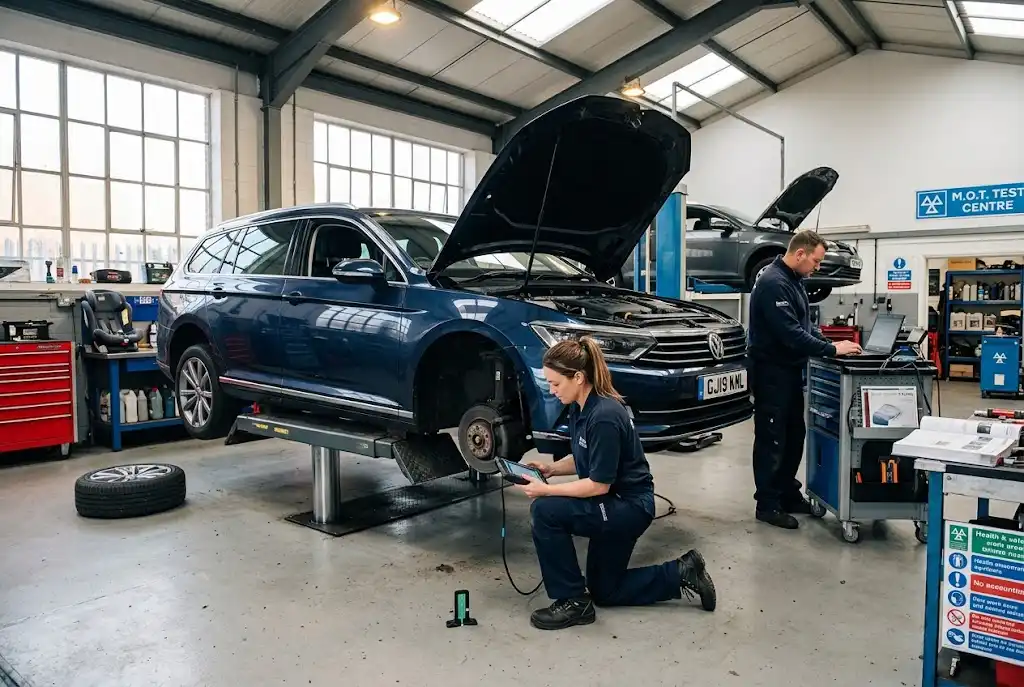
Reliable auto services are an important part of keeping a family car safe, dependable and ready for everyday journeys. Whether you use your vehicle for school runs, commuting, shopping, weekend trips or longer holidays, regular maintenance can help identify problems before they become expensive or disruptive.
Car care is about more than fixing a vehicle after something goes wrong. It includes routine inspections, servicing, repairs, tyre checks, brake maintenance, fluid checks and MOT preparation. Understanding these essentials makes it easier to choose the right auto service when your car needs attention.
What Do Auto Services Include?
The term auto services covers a broad range of work carried out to maintain, inspect, diagnose or repair vehicles. The exact work depends on the vehicle, its age, mileage, condition and manufacturer recommendations.
For a family car, common services can include engine oil and filter changes, brake inspections, battery checks, tyre checks, fluid top-ups, suspension inspections, exhaust checks, diagnostic testing and general mechanical repairs.
Some garages provide individual repairs, while others offer comprehensive auto care services designed to cover several maintenance requirements during one visit. Choosing the right option depends on what your vehicle actually needs rather than simply selecting the largest package.
Why Regular Vehicle Maintenance Matters
Family vehicles often accumulate significant mileage because they are used for several different purposes. A car that appears to be running normally can still develop wear in components such as brakes, tyres, suspension, belts or steering systems.
Regular maintenance gives drivers an opportunity to identify developing issues. For example, unusual braking behaviour, warning lights, uneven tyre wear, difficulty starting or unfamiliar engine noises should not simply be ignored.
Preventive maintenance can also make vehicle ownership easier to manage. Small problems may be simpler to address than faults that have been allowed to develop over a long period. Keeping a clear service history is useful too, particularly when the vehicle is eventually sold.
Auto Services Every Family Car Should Have
Engine and Oil Checks
Engine oil helps lubricate internal components and should be maintained according to the vehicle manufacturer’s recommendations. A garage can check oil condition and levels during routine maintenance and replace the oil and filter when required.
Drivers should also pay attention to warning lights or signs of an oil-related problem. If an oil warning light appears, consult the vehicle handbook and seek appropriate professional advice rather than continuing to drive unnecessarily.
Brake Inspection and Maintenance
Brakes are among the most important safety components on any family vehicle. Brake pads, discs and other braking components can wear over time, particularly when a car is used frequently in traffic.
Squealing, grinding, vibration or changes in braking performance can indicate that an inspection is needed. A qualified garage can assess the braking system and explain whether maintenance or repair is required.
Tyre Checks
Tyres affect grip, braking and handling, so they deserve regular attention. Check tyre pressures according to the manufacturer’s recommended settings and inspect the tyres for visible damage or unusual wear.
Uneven tread wear can sometimes indicate alignment, suspension or other mechanical issues. Addressing the underlying problem may help prevent further tyre wear.
Battery and Starting System
A weak battery can become particularly inconvenient during colder weather. If the engine is taking longer than usual to start, the lights appear unusually weak or the battery warning light comes on, it is sensible to have the charging and starting system checked.
Battery condition is especially worth considering before periods when the car will be used heavily, such as winter commuting or a long family journey.
Fluids and Filters
Vehicles rely on several fluids and filters as part of normal operation. Depending on the vehicle, these can include coolant, brake fluid, transmission fluid, engine oil and screenwash.
Filters can also require replacement as part of scheduled maintenance. A garage can check the relevant components and follow the manufacturer’s maintenance recommendations for the particular vehicle.
Choosing an Auto Service Garage
Choosing an auto service garage should involve more than comparing the cheapest advertised price. Families should consider whether the garage offers the type of work required, explains repairs clearly and provides appropriate documentation for completed work.
It is also useful to ask what is included in a quoted service. A basic service, for example, may not include every inspection or replacement associated with a major service. Understanding the scope beforehand can reduce confusion when the vehicle is collected.
If your vehicle requires specialist equipment or manufacturer-specific procedures, ask the garage whether it has the appropriate diagnostic equipment and experience for your car.
Auto Garage Service vs Individual Repairs
Not every visit to a garage requires a complete service. If your car has a specific fault, an individual diagnostic or repair appointment may be more appropriate.
On the other hand, a scheduled service can provide a broader review of the vehicle. This distinction is important because an auto garage service and a specific repair are not necessarily the same thing.
If you are unsure which option is appropriate, describe the symptoms, mileage and recent maintenance history to the garage. A reputable provider should be able to explain what needs checking before recommending additional work.
Understanding an Auto Service Centre
An auto service centre may offer several types of vehicle maintenance under one roof. Depending on the business, this can include servicing, diagnostics, brake work, tyre services, exhaust repairs, battery replacement and general mechanical repairs.
Some centres also provide MOT testing. However, an MOT is a statutory roadworthiness test rather than a substitute for routine servicing. The Driver and Vehicle Standards Agency explains that an MOT assesses specified testable items at the time of the test and should not be treated as evidence of a vehicle’s overall mechanical condition. Read the official MOT testing guidance on GOV.UK.
That distinction is important for families. A car can have a valid MOT and still require routine maintenance or repair.
All Vehicle Services: What Should Families Prioritise?
When looking at all vehicle services offered by a garage, prioritise work based on safety, manufacturer recommendations and the actual condition of your vehicle.
For most families, useful priorities include:
- Keeping up with the manufacturer’s servicing recommendations.
- Checking tyres and tyre pressures regularly.
- Having brakes inspected when symptoms appear or maintenance is due.
- Responding promptly to dashboard warning lights.
- Checking fluid levels and replacing fluids when required.
- Keeping the MOT status up to date where legally required.
- Maintaining records of servicing and repairs.
Drivers should also consider seasonal conditions. Before winter, for example, checking tyres, battery condition, lights, screenwash and wipers can be worthwhile. Before a long journey, a basic vehicle check can provide additional reassurance.
General Vehicle Services and Car Servicing
General vehicle services are useful when a car needs routine attention but there is no single obvious fault. A garage may inspect several systems and identify maintenance requirements based on mileage, age and vehicle condition.
For scheduled maintenance, it is also helpful to understand the difference between an interim service, full service and major service. The appropriate level can vary between vehicles and manufacturers, so drivers should follow the maintenance schedule rather than assuming every car needs exactly the same work.
For a more detailed look at scheduled maintenance, see our guide to car servicing. Understanding service types can help families plan maintenance without paying for work that is not appropriate for their vehicle.
Auto Services and MOT Preparation
MOT preparation is another important part of responsible vehicle ownership. An MOT test checks specific roadworthiness and environmental requirements, while servicing focuses on the broader maintenance of the vehicle.
Before an MOT, drivers can carry out simple checks on lights, tyres, mirrors, windscreen, wipers and other visible items. However, these checks do not replace the official test or professional diagnosis where a fault is suspected.
If your MOT and routine maintenance are due around the same time, combining appropriate garage visits can be convenient. Our future guide to MOT and service will cover the differences between these two forms of vehicle care in more detail.
When Mobile Auto Services Make Sense
Traditional garages are not the only option. Mobile auto services can be useful when a vehicle needs certain repairs or diagnostics at home, at work or another suitable location.
A mobile mechanic may be able to carry out selected maintenance and repair work without requiring the customer to drive to a garage. This can be particularly convenient when a vehicle has a problem that makes driving difficult or when the owner has limited time.
However, not every repair can be completed safely outside a workshop. Larger mechanical jobs or work requiring specialist workshop equipment may still require a garage visit. For more information, see our guide to mobile auto service.
Keeping Family Car Care Affordable
Good vehicle maintenance does not necessarily mean choosing the most expensive option. The better approach is to understand what your car needs and compare quotes based on the actual work included.
Ask whether labour, parts, inspections and any additional checks are included in the quoted price. If a garage discovers additional work, request an explanation before authorising repairs, particularly when the repair is not immediately safety-critical.
Planning scheduled maintenance can also make vehicle costs easier to manage. Our guide to car service cost will explore service pricing, common cost factors and ways to approach vehicle maintenance on a sensible budget.
Keep a Simple Car Care Routine
Family car maintenance becomes easier when it is treated as an ongoing routine rather than an occasional emergency. Keep track of service dates, mileage, MOT expiry dates and repairs. Pay attention to changes in how the vehicle sounds, feels or handles.
Between garage visits, simple checks can make a difference. Look at your tyres, lights and fluid levels when appropriate, and never ignore a serious warning light or noticeable change in vehicle behaviour.
Most importantly, use professional auto services when a problem requires specialist knowledge, tools or inspection. A reliable maintenance routine can help your family car remain safe, practical and dependable throughout its working life.
