

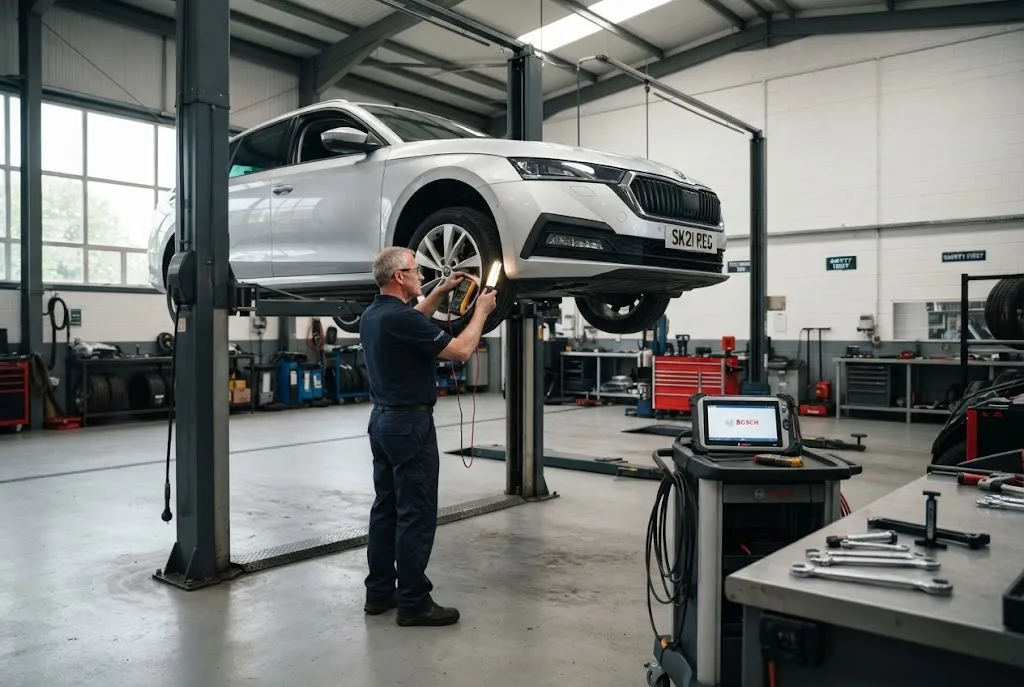
Choosing the right garage services for your car can make routine maintenance and unexpected repairs much easier to manage. Whether you need a scheduled service, brake inspection, tyre work, diagnostics or a more complex repair, the garage you choose should have the appropriate skills, equipment and approach for your vehicle.
For many UK motorists, convenience naturally matters. A local garage that is easy to reach can be useful, particularly when the car is needed for work, school runs or family commitments. However, location alone should not determine your choice. Service quality, technical capability, pricing transparency, customer feedback and communication are equally important.
Understanding what different workshops offer can help you compare options without choosing simply on the basis of the cheapest headline price.
Why the Right Garage Services Matter
A garage may offer a wide range of services, but not every workshop is equally suited to every vehicle or repair. A small independent garage may be an excellent choice for routine maintenance, while a specialist workshop may be more appropriate for a particular make, model or complex diagnostic issue.
The right workshop should be able to explain what your vehicle needs, why the work is recommended and what is included in the price. Clear communication is particularly important when additional repairs are identified after an inspection.
Good garage services should also provide appropriate documentation showing what work has been carried out. This helps you maintain an accurate vehicle history and understand what may be required in the future.
If you are comparing garages based on the type of work they provide, SayNest’s guide to vehicle maintenance and servicing can help put routine workshop visits into a wider maintenance plan.
Garage Services to Look for When Comparing Workshops
Before choosing a workshop, consider whether it offers the services your vehicle is likely to need. A useful garage may provide several areas of automotive support, including:
- Routine car servicing
- Interim and full servicing
- Brake inspections and repairs
- Tyre checks and replacement
- Battery testing and replacement
- Vehicle diagnostics
- Engine repairs
- Exhaust and emissions-related work
- Suspension and steering repairs
- Wheel alignment
- Air conditioning services
- MOT-related preparation and repairs
The exact services available vary from one workshop to another. More importantly, the garage should be able to explain whether it has the appropriate equipment and experience for the work involved.
Local Garages vs Larger Service Centres
Motorists often have a choice between independent local garages, larger service centres and manufacturer-affiliated workshops. Each option can have advantages depending on the vehicle and the work required.
Local garages may offer convenience and a more personal relationship with customers. A regular customer may deal with the same workshop team over time, making it easier to build familiarity with the vehicle’s history.
Larger service centres may provide broader opening hours, multiple workshop facilities or a wider range of standardised services. Their size can also make them convenient for motorists who want to book common maintenance work through an established network.
Manufacturer-affiliated workshops may have specific knowledge, equipment or procedures associated with particular vehicle brands. This can be useful when dealing with model-specific issues or manufacturer-related requirements.
There is no universally best option. The important question is whether the workshop is appropriate for your vehicle, the required work and your expectations.
Independent Garages Can Be a Practical Choice
Independent garages are widely used by UK motorists for routine servicing, repairs and diagnostics. Many provide a broad range of workshop services and may specialise in particular makes, vehicle types or repair areas.
When considering an independent garage, look beyond the word “independent”. Ask about the technicians’ experience, available diagnostic equipment, parts used and the type of work the workshop regularly performs.
A good independent workshop should be willing to explain its recommendations clearly rather than relying on vague descriptions. If additional work is identified during a service, ask what has been found and whether the repair is urgent, advisable or something that can reasonably be scheduled later.
How to Compare Garage Services
Garage comparison should involve more than checking the first price you see online. Two garages may quote different amounts because their service packages include different inspections, parts or labour.
Before comparing prices, make sure you are comparing equivalent work. Ask:
- What exactly is included in the quoted service?
- Which parts or consumables are included?
- Are diagnostic checks included?
- Will additional work require approval first?
- Will you receive an invoice and service record?
- What warranty or guarantee applies to the work?
- How long is the vehicle expected to remain at the workshop?
This approach makes price comparisons much more meaningful. A slightly higher quote may represent better value if it includes appropriate checks, quality parts and clearer aftercare.
Customer Reviews Can Help, But Read Them Carefully
Customer reviews can provide useful insight into a workshop’s communication, punctuality, pricing transparency and general customer experience. However, reviews should be considered alongside other evidence rather than treated as the only measure of quality.
Look for recurring themes across multiple reviews. If customers repeatedly mention clear explanations, accurate quotations and good communication, that may indicate a consistent approach. Conversely, repeated complaints about unexplained charges, poor communication or unresolved issues deserve attention.
Consider the relevance of the reviews as well. A workshop may receive positive feedback for basic servicing but have limited evidence of experience with complex diagnostics or specialist vehicles.
What Makes a Trusted Mechanic?
A trusted mechanic is not simply someone who completes a repair. Good communication and professional judgement are important parts of the relationship.
A trustworthy mechanic should be able to explain the problem in understandable terms, distinguish urgent repairs from preventative recommendations and provide a clear quotation before carrying out additional work where practical.
You should also feel comfortable asking questions. If a mechanic recommends replacing a component, ask what has caused the issue, what symptoms indicate the problem and what could happen if the repair is delayed.
You do not need to understand every mechanical detail to make an informed decision. A professional workshop should be able to communicate technical information in a way that makes sense to the vehicle owner.
Check Whether the Workshop Has the Right Equipment
Modern vehicles can require more than traditional mechanical tools. Electronic control units, driver-assistance systems and increasingly complex vehicle electronics mean that suitable diagnostic equipment can be important when investigating faults.
If your dashboard displays a warning light or the vehicle develops an unexplained electrical problem, ask whether the workshop has the diagnostic capability required for your vehicle.
This is particularly relevant when comparing garages for newer vehicles. A workshop may be excellent at routine mechanical repairs but less suitable for a complicated electronic or manufacturer-specific diagnostic problem.
For general information about diagnosing vehicle issues, see SayNest’s auto inspection and diagnostics guide.
Ask About Parts and Repair Recommendations
Parts can have a significant effect on the final cost of garage work. When a quotation includes replacement components, ask what type of parts are being proposed and whether there are suitable alternatives.
The right choice can depend on the vehicle, component, repair and manufacturer’s requirements. A workshop should be able to explain the options rather than presenting an unexplained price.
If the vehicle is still covered by a warranty or another service arrangement, check the relevant terms before authorising work. Keeping appropriate invoices and records can also make future maintenance easier to manage.
Don’t Automatically Choose the Cheapest Garage
Price is naturally important, particularly when maintaining an older family vehicle. However, choosing purely on the lowest quote can create problems if the quote does not cover equivalent work or if communication is poor.
Instead, consider overall value. A garage that provides clear pricing, appropriate technical expertise, useful documentation and good communication may represent better value even when its initial quotation is not the lowest.
This is especially important for maintenance that affects safety, such as brakes, tyres, steering and suspension. Saving a small amount on a repair is unlikely to be worthwhile if the work is incomplete or inappropriate.
If cost is your main concern, SayNest’s guide to car service costs and maintenance budgeting explains how motorists can compare service expenses more effectively.
Questions to Ask Before Booking
A few questions before making an appointment can help you avoid misunderstandings.
Ask whether the garage has experience with your vehicle make and model, what is included in the quoted work, how long the job is expected to take and whether you will be contacted before additional repairs are performed.
You can also ask how the workshop handles unexpected findings. For example, if a routine service reveals worn brakes or another issue, knowing the approval process in advance can prevent confusion when the final invoice is prepared.
For more complex jobs, ask whether the workshop provides a written estimate and what happens if the final cost differs from the initial quotation.
Garage Services for Routine Servicing
Routine servicing is one of the most common reasons motorists visit a workshop. The correct service interval depends on the vehicle manufacturer’s requirements, mileage, age and driving conditions.
When booking, provide the garage with accurate information about the vehicle and explain any symptoms you have noticed. A scheduled service and a fault investigation are not necessarily the same thing, so mentioning a warning light, unusual noise or handling change can help the workshop plan appropriately.
Keeping the service history available can also save time. The garage can see what has already been replaced or inspected and may be able to identify upcoming maintenance requirements more efficiently.
When You Need Specialist Repair Services
Some problems are better handled by a specialist workshop. This may include complex electrical faults, specialist transmissions, certain performance vehicles or manufacturer-specific systems.
If your usual local garage does not have the necessary equipment or expertise, asking for a referral can be more useful than insisting that every repair is completed at the same workshop.
The best garage relationship is not necessarily one where a single workshop performs every possible task. It is one where you know which workshop is appropriate for different maintenance and repair requirements.
Check Convenience and Availability
Practical considerations matter too. A workshop that is highly regarded but difficult to reach may be less convenient when your vehicle needs to remain there for several hours or days.
Consider opening hours, booking availability, location, collection or delivery options and whether the workshop provides courtesy transport where applicable.
However, convenience should remain balanced against technical suitability. A nearby garage is not automatically the right choice for a specialist repair simply because it is easier to reach.
Build a Long-Term Relationship With Your Garage
Once you find a workshop that provides suitable service, transparent communication and consistent workmanship, maintaining that relationship can make future vehicle care easier.
A garage that knows your vehicle’s maintenance history may be better positioned to identify recurring issues and upcoming requirements. You can also become familiar with the workshop’s approach to quotations, servicing and repairs.
This does not mean you should stop comparing prices or questioning recommendations. A healthy customer relationship still involves clear communication and informed decisions.
When to Consider a Different Garage
Changing workshops may be sensible if communication repeatedly breaks down, invoices contain unexplained charges, promised work is not completed or you lose confidence in the quality of the service.
One poor experience does not necessarily mean a garage is unsuitable. However, repeated problems should be taken seriously, particularly when they involve safety-related repairs or unclear recommendations.
If you are consistently unable to get straightforward answers about what your vehicle needs or why a repair has been recommended, another professional opinion may be worthwhile.
Garage Services: Making a Confident Choice
The best garage services are not necessarily the cheapest or the largest. The right choice depends on your vehicle, the work required, the workshop’s expertise, the clarity of its pricing and the quality of communication.
Start by identifying the service you actually need. Then compare suitable workshops based on equivalent quotations, relevant experience, equipment, customer feedback and practical convenience.
Whether you choose an independent local garage, a larger service centre or a specialist workshop, ask questions before authorising additional work and keep documentation after every appointment.
Final Thoughts
Choosing a garage becomes much easier when you treat the decision as part of your wider vehicle maintenance strategy. Rather than searching for the cheapest workshop every time something goes wrong, look for a provider that can offer appropriate technical expertise, transparent pricing and dependable communication.
Good garage services should help you understand your vehicle rather than leave you confused about what has been done. With sensible garage comparison, careful use of customer reviews and a clear understanding of your car’s maintenance needs, you can build a more reliable approach to keeping your vehicle safe and roadworthy.
Frequently Asked Questions About Garage Services
How do I choose a good local garage?
Compare the workshop’s relevant experience, services, customer feedback, pricing transparency, equipment and convenience. Make sure it can handle the specific work your vehicle requires.
Are independent garages reliable?
Many independent garages provide professional servicing and repairs. Reliability depends on the individual workshop, so consider its experience, customer feedback, communication and approach to quoting and documentation.
Should I get more than one garage quote?
For significant or non-urgent repairs, comparing more than one suitable quotation can help you understand the expected cost. Make sure you compare equivalent work rather than headline prices alone.
What should a garage tell me before additional repairs?
A garage should explain what has been found, why the repair is recommended and what it is expected to cost. Where practical, agree on a process for approving additional work before it is carried out.
Can I use a different garage for different repairs?
Yes. A general local garage may be suitable for routine servicing, while a specialist workshop may be more appropriate for complex diagnostics or vehicle-specific repairs.
