

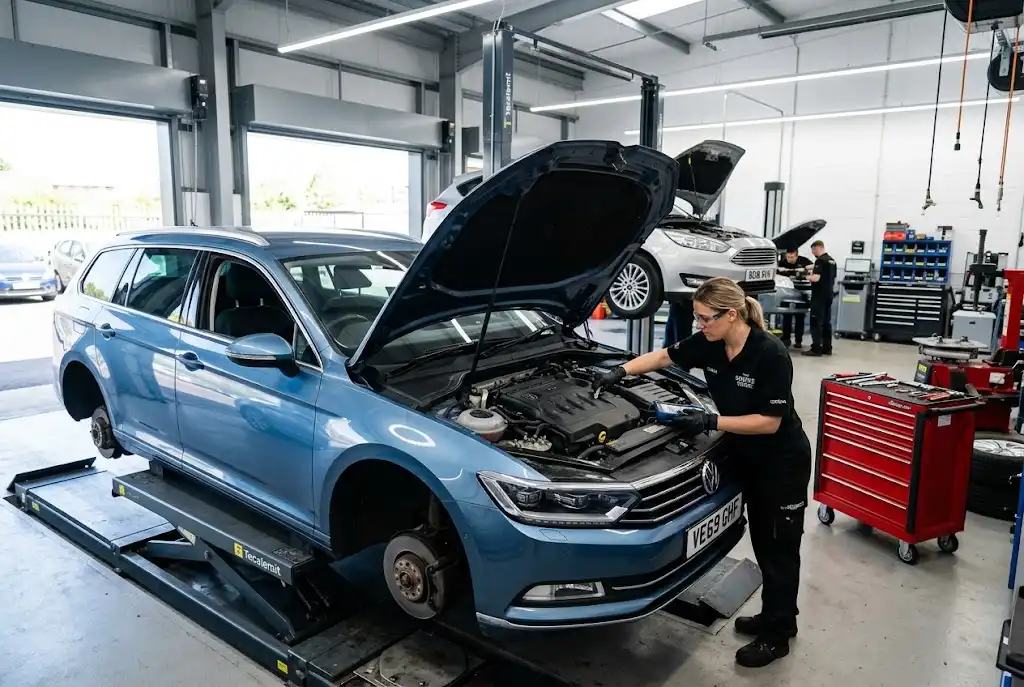
Regular car servicing is one of the simplest ways to keep a family vehicle reliable, efficient and suitable for everyday driving. A service gives a qualified professional the opportunity to inspect important components, replace items that are due for maintenance and identify developing issues before they become more disruptive.
Unlike an MOT, which is a legal roadworthiness test covering specific items, servicing is about maintaining the vehicle more broadly. Understanding service types, intervals and maintenance schedules can help UK drivers make sensible decisions about when their car needs attention.
What Is Car Servicing?
Car servicing is a planned programme of vehicle maintenance carried out at intervals recommended by the manufacturer or based on factors such as mileage, age and usage. The exact checks and replacement items vary between vehicles.
A service may involve checking or replacing engine oil and filters, inspecting brakes and tyres, checking fluid levels, examining steering and suspension components and carrying out other inspections appropriate to the vehicle.
The purpose is not simply to find faults. Preventive maintenance can help keep the vehicle operating as intended and gives owners a clearer understanding of its condition.
Why Car Servicing Matters for Family Vehicles
Family cars often have demanding routines. They may handle short school runs during the week, commuting during rush hour and longer motorway journeys at weekends. Frequent stop-start driving and repeated short trips can place different demands on a vehicle compared with occasional long-distance use.
Regular servicing helps create a structured approach to maintenance. Instead of waiting for a noticeable fault, drivers can use the manufacturer’s recommendations and the vehicle’s service history to plan appropriate checks.
It can also make it easier to spot issues such as worn brakes, deteriorating tyres, fluid problems or components that require further inspection.
Car Servicing: Full, Interim and Major Services
Not every service is identical. Garages commonly describe maintenance using terms such as interim, full and major service. However, the precise contents of each package can vary, so it is important to check what a particular garage includes.
Interim Service
An interim service is generally designed for vehicles that need maintenance between more comprehensive service appointments. It may be appropriate for drivers who cover higher annual mileage or whose manufacturer’s maintenance plan calls for more frequent checks.
Typical work can include an oil and filter change alongside a range of routine inspections. The exact schedule should always be checked against the vehicle manufacturer’s recommendations.
Full Car Service
A full car service is more comprehensive than a basic interim service. It can include a broader selection of checks covering areas such as brakes, tyres, steering, suspension, fluids, lights and other components.
The exact inspection list differs between providers and vehicles. Before booking, ask the garage for a clear description of the work included so you know what you are paying for.
Major Service
A major service is normally associated with a more extensive maintenance schedule. Certain filters, fluids or other service items may become due at particular mileage or time intervals.
Because major service requirements can differ considerably between manufacturers and models, drivers should avoid assuming that a major service has exactly the same contents for every vehicle.
Understanding Your Maintenance Schedule
Your vehicle’s maintenance schedule is an important reference when deciding when to book servicing. Manufacturers specify recommended maintenance based on factors such as time, mileage and vehicle design.
Some vehicles use fixed service intervals, while others may use variable or condition-based systems. The owner’s handbook, manufacturer information or service system can provide the relevant guidance for your particular car.
Following the appropriate schedule is generally more useful than relying on a generic rule that applies to every vehicle.
How Service Intervals Work
Service intervals tell you when particular maintenance work should be carried out. They may be expressed as a mileage figure, a period of time or a combination of both.
For example, a vehicle might have maintenance requirements based on reaching a particular mileage or a certain amount of time since the previous service. The correct interval depends on the manufacturer’s instructions.
Your driving pattern can also be relevant. A vehicle used mainly for short journeys, heavy traffic or frequent stop-start driving may experience different operating conditions from one used primarily for longer motorway journeys.
Annual Servicing: Is It Always Necessary?
Annual servicing is common advice, but the appropriate schedule depends on the vehicle manufacturer’s requirements and how the car is used. Some vehicles have annual maintenance requirements, while others operate on different intervals.
Rather than automatically booking the same service every year, check the recommended schedule for your model. If you are unsure, a reputable garage can explain the manufacturer’s service requirements and identify what is currently due.
Keeping appointments organised is particularly useful for family vehicles because maintenance can otherwise be overlooked when the car is used every day.
What Happens During a Car Service?
The work carried out during a service depends on its type and the vehicle. A garage may begin by reviewing the service requirements and vehicle history before carrying out the relevant checks.
Depending on the schedule, technicians may inspect:
- Engine oil and filters.
- Brake components.
- Tyres and tyre condition.
- Steering and suspension.
- Lights and visible electrical components.
- Fluid levels and visible leaks.
- Battery and charging-related components.
- Exhaust and other relevant systems.
If a technician identifies a problem, ask whether it requires immediate attention, should be monitored or can wait until planned maintenance. Clear communication helps you prioritise repairs instead of treating every recommendation as equally urgent.
Car Servicing and MOT: What’s the Difference?
An MOT and a service have different purposes. The MOT is a regulated test of specified roadworthiness and environmental requirements. Servicing, meanwhile, is planned maintenance intended to help keep the vehicle in good working condition.
Passing an MOT therefore does not mean that a car has received a complete service. Similarly, having a service does not replace the need for an MOT when an MOT is legally required.
If both are due around the same time, some garages offer combined options. You can learn more about the distinction in our guide to MOT and service.
Keeping a Good Service History
A detailed service history provides a record of the maintenance carried out on a vehicle. Keep invoices, service records and relevant documentation in a safe place, whether your vehicle uses a physical service book or a digital record.
A complete record can make future maintenance easier because it shows what has already been done and what may be due next. It can also be useful if you eventually sell the vehicle, as prospective buyers often want to understand how it has been maintained.
If you have recently bought a used car and its maintenance records are incomplete, ask a qualified garage to assess the vehicle and establish what servicing may currently be appropriate.
Choosing a Garage for Vehicle Servicing
The right garage should be able to explain its service options clearly and provide a breakdown of what is included. Price matters, but it should not be the only consideration.
Before booking, ask:
- Which service is appropriate for my vehicle?
- What checks and replacement items are included?
- Does the work follow the manufacturer’s recommended schedule?
- Will I receive documentation showing what was completed?
- How will additional repairs be communicated before work is carried out?
These questions can help you compare service providers on a like-for-like basis.
How to Prepare for Your Next Service
Before taking your vehicle to a garage, check the mileage and review your previous service records. Make a note of any warning lights, unusual noises, changes in braking, starting difficulties or other symptoms you have noticed.
Tell the technician about these concerns when you arrive. Even a problem that seems minor may provide useful information when combined with the vehicle’s age, mileage and maintenance history.
It is also worth checking whether your next scheduled service coincides with other planned maintenance. This can make the visit more efficient and reduce the chance of forgetting an important service item.
Managing Vehicle Servicing Costs
Service pricing varies depending on the vehicle, service type, parts required, labour rates and the garage. A full service will generally involve more work than an interim service, while a major service can involve additional scheduled maintenance items.
When comparing prices, look beyond the headline figure. A cheaper package may include fewer checks or different replacement parts. Ask for an itemised explanation so you can compare the actual work involved.
For practical guidance on budgeting for maintenance, read our guide to car service cost, which focuses on service pricing and common factors that influence vehicle servicing costs.
Car Servicing for High-Mileage Family Cars
Higher-mileage vehicles can require closer attention because wear accumulates over time. That does not automatically mean an older car is unreliable, but it does make a consistent maintenance routine increasingly valuable.
Keep records of repairs as well as routine servicing. If the same symptom appears repeatedly, tell the garage about previous work so the technician has useful background information.
For families who rely heavily on their car, arranging maintenance before a major journey can also provide additional peace of mind.
A Simple Car Servicing Routine
Good vehicle maintenance does not have to be complicated. Keep your service records organised, follow the recommended maintenance schedule, monitor mileage and pay attention to changes in the way your car performs.
Do not wait for an obvious breakdown before thinking about maintenance. Planned car servicing gives you a structured way to look after important vehicle systems and address issues at an appropriate stage.
For broader family vehicle maintenance advice, start with our guide to auto services. If getting the vehicle to a garage is difficult, you can also explore mobile auto service options and consider whether mobile maintenance is suitable for the work required.
Ultimately, the best servicing routine is the one that matches your vehicle manufacturer’s requirements, your driving habits and the condition of the car. With consistent records and timely professional attention, families can make vehicle maintenance more predictable and avoid leaving important work until a problem becomes urgent.
