

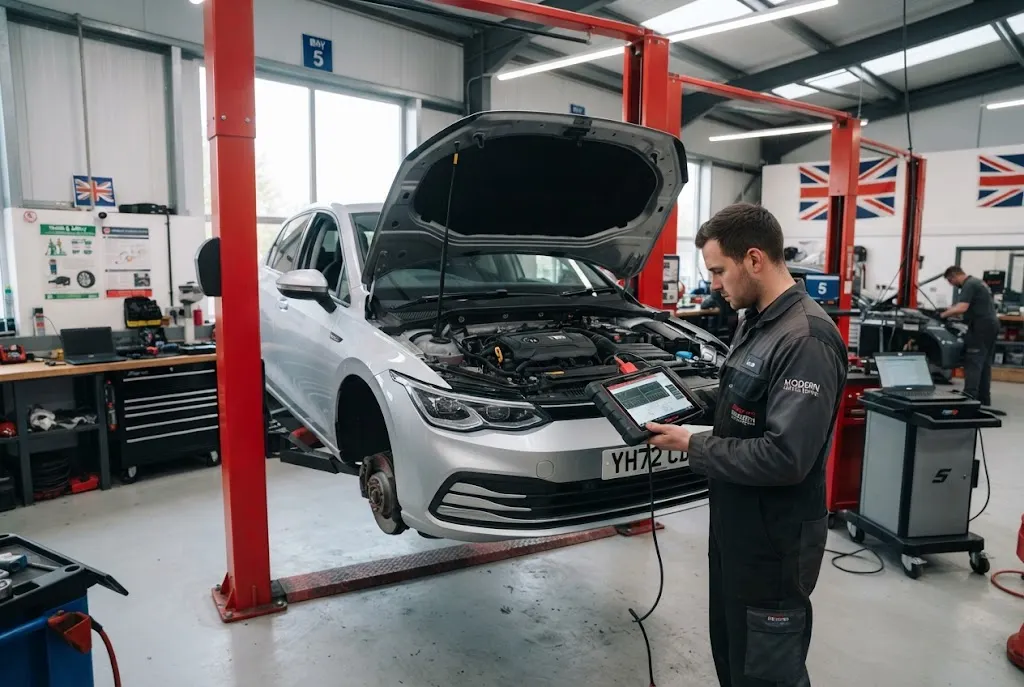
Reliable auto repair services can make dealing with vehicle problems much less stressful. Whether a car develops an engine fault, clutch problem, electrical issue or unusual noise, getting the cause identified early can help prevent a minor fault from becoming a more complicated repair. For UK drivers, choosing the right garage and understanding what a repair involves can also make it easier to plan vehicle maintenance and control unexpected costs.
Modern vehicles contain increasingly complex mechanical, electrical and electronic systems. As a result, an effective repair is not simply about replacing a part. A technician needs to diagnose the underlying problem, explain the required work and use suitable components and equipment. This is particularly important when a vehicle is used every day for commuting, family journeys or business.
What Are Auto Repair Services?
Auto repair services cover a broad range of mechanical, electrical and related work carried out to restore a vehicle’s performance or correct a fault. The work can range from relatively straightforward component replacement to more detailed diagnostic investigations.
A complete auto repair service may involve inspecting the vehicle, identifying the source of a fault, explaining repair options and carrying out the necessary work. However, not every garage provides every type of specialist repair, so it is worth checking whether the workshop has experience with the particular problem and vehicle.
Drivers may search for a repair auto service when something goes wrong unexpectedly, but planned diagnosis and maintenance can sometimes prevent more serious problems. Regular vehicle safety checks, for example, can help identify issues affecting brakes, tyres, suspension and steering before they become more disruptive.
Common Problems Handled by Auto Repair Services
Different vehicles experience different faults depending on age, mileage, driving conditions and maintenance history. Several repair categories are particularly common.
Engine Repair
The engine is one of the most complex and important systems in a vehicle. Problems may involve starting difficulties, unusual noises, overheating, loss of power, warning lights or changes in fuel consumption.
An engine warning light does not necessarily mean that the engine itself needs major mechanical work. Modern vehicles use electronic sensors and control systems that can trigger warning messages for a range of reasons. Proper diagnosis is therefore important before deciding what needs to be replaced.
Depending on the fault, engine repair could involve anything from replacing a faulty component to carrying out more extensive mechanical work.
Gearbox Repair
The gearbox transfers engine power to the wheels and allows the vehicle to operate across different speeds and driving conditions. Manual and automatic transmissions have different designs and maintenance requirements.
Possible warning signs include difficulty selecting gears, slipping, unusual noises, delayed engagement or fluid-related problems. Because transmission faults can become expensive when neglected, unusual behaviour should be investigated rather than ignored.
Gearbox repair may involve diagnosis, adjustment, replacement of individual components or more extensive transmission work, depending on the underlying fault.
Clutch Repair
Manual vehicles rely on the clutch to engage and disengage engine power from the transmission. A worn clutch may cause slipping, difficulty changing gears, unusual noises or changes in pedal feel.
Clutch repair can involve replacing worn components, although the exact work depends on the vehicle and diagnosis. If the clutch is showing clear symptoms of wear, arranging an inspection can help determine whether repair or replacement is appropriate.
Exhaust Repair
The exhaust system carries gases away from the engine and incorporates components designed to manage emissions and noise. Damage, corrosion or failed components can result in unusual sounds, reduced performance or warning lights.
An exhaust repair should address the actual source of the problem rather than simply treating a symptom. A technician can inspect the system and determine whether a section, mounting or another component requires attention.
Electrical Repair
Electrical systems now play a major role in almost every modern vehicle. Starting, lighting, charging, sensors, infotainment and numerous safety-related functions depend on electrical components and wiring.
Electrical repair can therefore range from diagnosing a battery or charging problem to tracing a wiring fault or investigating an electronic warning. Specialist diagnostic equipment may be required to identify the source accurately.
When Should You Contact a Repair Garage?
Not every unusual sound or dashboard message indicates an immediate major failure, but warning signs should not automatically be ignored. A repair garage can investigate changes that are difficult for the driver to diagnose independently.
- Persistent dashboard warning lights
- Unusual engine, gearbox or exhaust noises
- Difficulty starting the vehicle
- Loss of power or unusual acceleration behaviour
- Difficulty selecting gears
- Changes in clutch pedal feel
- Unusual steering or handling
- Fluid leaks beneath the vehicle
- Repeated electrical faults
- Unexpected vibration while driving
If a warning relates to braking, steering or another critical safety system, the vehicle should be assessed promptly. Continuing to drive with a potentially dangerous fault can increase risk and may also allow damage to develop elsewhere.
Diagnosis Should Come Before Unnecessary Repairs
One of the most important parts of professional vehicle repair is accurate diagnosis. Replacing parts without establishing the underlying cause can result in unnecessary expense and may not resolve the original problem.
A technician may begin with a visual inspection and then use diagnostic equipment, mechanical tests or measurements depending on the symptom. The process should be based on the vehicle’s actual condition rather than assumptions.
For example, a battery-related starting problem can sometimes be connected to the charging system or another electrical fault. Similarly, a warning light can have several possible causes. Proper testing helps narrow down the problem before repair work begins.
How to Choose Suitable Repair Garages
Choosing among repair garages can be difficult when a vehicle has developed an unexpected fault. Start by checking whether the garage regularly handles your type of vehicle and the specific repair category required.
It is also useful to ask what diagnostic process will be used, whether the quotation includes labour and parts, and whether additional work requires approval before it is carried out.
A clear garage should be able to explain the identified fault in understandable language. You do not need to know every technical term, but you should understand what has gone wrong, what needs to be repaired and why the work is necessary.
Ask About Parts and Repair Costs
The cost of a repair depends on the vehicle, fault, parts required, labour time and whether additional damage is discovered during the work. Two vehicles can require very different amounts of work even when they display similar symptoms.
When comparing quotes, look beyond the headline price. Ask whether the quotation includes diagnostic charges, labour, replacement parts, VAT and any necessary follow-up work.
If a garage recommends several repairs, ask which work is essential and which items can be monitored or scheduled for later. This does not mean delaying safety-critical repairs; rather, it helps you understand the condition of the vehicle and plan legitimate maintenance appropriately.
Auto Repairs and Preventive Maintenance
Repair and maintenance work are closely connected, but they serve different purposes. Maintenance aims to keep the vehicle in good condition, while repair addresses a known fault or failure.
Regular car service plans can help families and other regular drivers organise scheduled maintenance. Meanwhile, auto battery service can be useful when a vehicle develops starting or battery-related concerns.
Air conditioning should also be treated as its own maintenance area. Drivers experiencing poor cooling or unusual smells can arrange a car air conditioning service rather than assuming that a general mechanical repair will resolve the issue.
Family Vehicles Need Consistent Maintenance
For families, reliability is often more important than simply keeping a vehicle running. A car used for school runs, commuting and long-distance travel needs attention when warning signs appear.
Combining scheduled servicing with appropriate vehicle safety checks can help drivers stay aware of the condition of important components. Checks can focus on brakes, tyres, suspension, steering and battery condition, while repair work can address faults discovered during inspections.
This approach also makes vehicle problems easier to manage. Instead of waiting until a breakdown occurs, drivers can respond to developing symptoms and seek professional assistance at a more convenient time where the situation allows.
Preparing for a Major Repair
Before approving substantial work, ask the garage to explain the diagnosis and proposed repair. If several components are involved, request a clear breakdown of the work and associated costs.
It is also sensible to ask whether the vehicle requires additional inspection after the repair. Some jobs affect connected systems, so post-repair testing can be an important part of confirming that the original issue has been resolved.
Keep records of repairs, invoices and maintenance work. A well-organised service history can help you understand what has already been replaced and may be useful when the vehicle is eventually sold.
Reduce Stress by Staying Ahead of Vehicle Problems
Unexpected vehicle faults can be inconvenient, but professional auto repair services give drivers a practical way to diagnose and resolve mechanical and electrical problems. From engine repair and gearbox repair to clutch, exhaust and electrical work, the right repair depends on an accurate diagnosis of the vehicle’s actual condition.
For UK drivers, the most useful approach is to combine regular maintenance with prompt attention to warning signs. Keep safety-related inspections on schedule, maintain records and choose a garage that can clearly explain the work it recommends.
Whether the problem is minor or requires more extensive attention, understanding what your vehicle needs can make the repair process considerably easier. A structured maintenance routine, supported by professional diagnosis when necessary, can help keep your car reliable for everyday journeys and longer trips alike.
Final Thoughts on Complete Auto Repair Service
A complete auto repair service is ultimately about more than fixing the immediate symptom. The goal is to identify the underlying fault, carry out appropriate work and confirm that the vehicle is operating correctly afterward.
Drivers should not hesitate to ask questions about recommended repairs, parts, labour and diagnostic findings. At the same time, safety-critical faults should be treated as priorities rather than postponed for convenience.
With consistent maintenance and access to capable repair garages, vehicle owners can deal with problems more systematically. Combined with regular safety inspections, battery care, servicing and other specialist maintenance, this approach supports dependable motoring without turning every unexpected vehicle issue into unnecessary stress.
