

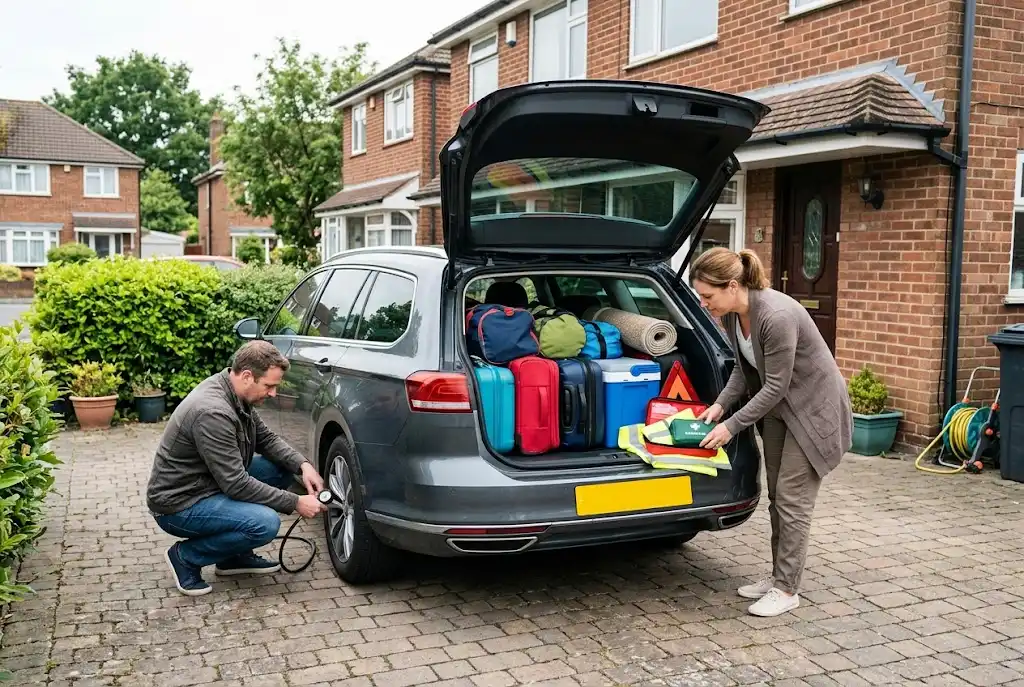
Planning a family road trip can be exciting, but the journey should start with the vehicle rather than the luggage. Good car maintenance can help families identify obvious problems before setting off and reduce the chance of an avoidable breakdown disrupting their plans. This is especially important for long-distance driving, where a vehicle may spend several hours on motorways or unfamiliar roads.
A pre-trip check does not need to be complicated. Families can combine basic visual checks with scheduled servicing, professional inspections and sensible preparation for the weather and distance involved. The key is to deal with known problems before departure rather than hoping they will not cause trouble on the road.
Why Car Maintenance Matters Before a Road Trip
A vehicle that performs adequately during short local journeys may face very different demands on a long trip. Longer driving means more continuous operation, while a fully loaded family car can also carry additional passengers and luggage.
That does not mean every vehicle needs a major service before every holiday. Instead, families should consider the manufacturer’s maintenance schedule, the vehicle’s current condition and the type of journey planned.
Good car maintenance also provides an opportunity to investigate warning lights, unusual noises or other symptoms that have appeared before travelling. Dealing with a known concern at home is generally preferable to discovering it hundreds of miles from home.
Start With a Holiday Vehicle Check
A practical holiday vehicle check should begin several days before departure. This gives you enough time to arrange professional help if you discover a problem.
Walk around the vehicle and look for obvious signs of damage. Check that the lights appear to be working and inspect the tyres for visible damage or unusual wear. Look at the windscreen and mirrors and make sure visibility is not compromised.
Drivers should also check the vehicle handbook for manufacturer-specific requirements. Different cars have different tyre pressures, fluid specifications, service intervals and maintenance recommendations.
Check the Vehicle Before It Is Fully Loaded
It can be useful to check tyre pressures again once the car is prepared for the journey because manufacturers may specify different pressures for heavier loads. Use the pressures and loading information provided for your particular vehicle.
Do not guess the correct pressure based on another car or a generic recommendation. The vehicle handbook or manufacturer’s information should be the starting point.
Inspect Your Tyres Before Long-Distance Driving
Tyre inspection is one of the most important parts of preparing a family car for a long journey. Tyres are the vehicle’s contact with the road, so their condition matters in both wet and dry conditions.
Look for visible damage, abnormal wear and anything that appears unusual. Check tyre pressures when the tyres are cold and follow the manufacturer’s recommended figures. Also make sure you understand the legal minimum requirements for tread depth in the UK.
If a tyre looks damaged, repeatedly loses pressure or shows significant uneven wear, arrange a professional assessment before travelling. A problem that appears minor on the driveway may become more significant during an extended journey.
Do Not Overlook Brake Inspection
Brake inspection should also form part of sensible road-trip preparation. Drivers should pay attention to changes in braking performance, unusual noises, vibration or other symptoms that were not present previously.
Brake components wear at different rates depending on the vehicle and driving conditions. A long journey is not a reason to replace components unnecessarily, but known braking concerns should be investigated before departure.
If you have noticed a change in how the car stops, contact an appropriate professional rather than relying on a basic visual check alone. More detailed concerns may require specialist inspection or auto repair services.
Check the Battery Before Travelling
Battery checks can be particularly useful before a long journey or when a vehicle has shown signs of starting difficulty. A weak battery may become more noticeable during periods of cold weather, although battery condition can deteriorate at any time.
Pay attention to slow engine cranking, intermittent starting problems or other electrical symptoms. If the battery is old or the vehicle has experienced repeated starting issues, ask a suitable garage to assess it.
It is also worth checking that the vehicle’s charging system is functioning correctly when there are persistent battery-related symptoms. Replacing a battery without investigating an underlying charging problem may not solve the issue.
Consider Summer Servicing for Holiday Travel
Summer servicing can be useful when a family is planning extensive travel during warmer months, particularly if the vehicle is due for its scheduled service. However, servicing should follow the manufacturer’s recommendations rather than being based solely on the season.
Warm weather can make a poorly maintained vehicle less comfortable, while holiday traffic may mean longer periods of slow or stationary driving. Families should also make sure the air conditioning is functioning properly before a long summer journey.
If the vehicle’s cooling system has become noticeably weaker, consider arranging an auto air conditioning service before travelling rather than waiting until the cabin becomes uncomfortable.
Prepare for Winter Vehicle Checks
Winter travel creates a different set of considerations. Winter vehicle checks should take account of lower temperatures, reduced daylight and potentially difficult road conditions.
Lights deserve particular attention because winter journeys often involve more driving in darkness or poor visibility. Windscreen condition, washer fluid and tyre condition are also important areas to consider.
Cold weather can place additional demands on batteries, so drivers who have already experienced starting difficulties should address the issue before a winter journey.
Always consider the actual weather and road conditions on the day of travel. A well-maintained vehicle cannot make unsafe conditions safe, so journeys should be adjusted when conditions require it.
Check Fluids and Visibility Items
Depending on the vehicle, drivers may be able to check certain fluid levels themselves. These can include engine oil, coolant and screenwash, but the correct procedure and fluid requirements vary by vehicle.
Follow the manufacturer’s instructions and never open a hot cooling system unnecessarily. If you are unsure about a fluid level or notice a leak, seek professional advice rather than guessing.
Windscreen wipers should also clear the glass effectively. Poor visibility can make a long journey significantly more difficult, especially when rain or spray is present.
Plan for Long-Distance Driving
Long-distance driving requires more planning than a typical school run. Before leaving, consider the route, planned stops, fuel or charging requirements and the needs of passengers.
Families should avoid starting a major journey when the driver is already tired. Regular breaks can help make extended driving more manageable, while children may need food, water and entertainment organised before departure.
The vehicle should also be loaded sensibly. Heavy luggage should be positioned according to the manufacturer’s guidance, and passengers should have their seat belts correctly fastened.
Build an Emergency Travel Kit
An emergency travel kit can be useful if something unexpected happens during a journey. The exact contents will depend on the trip, season and personal circumstances.
Useful items may include a phone charger or power bank, basic first-aid supplies, reflective or visibility equipment where appropriate, water and essential medication. Families travelling with children should also consider their individual needs.
Drivers should know what emergency assistance arrangements they have and keep relevant contact information accessible. An emergency kit is not a substitute for proper vehicle maintenance, but it can make an unexpected delay easier to manage.
Review Your Maintenance Records
Before a major trip, review the vehicle’s maintenance records if you have them. Check when the last service was completed and whether any upcoming work is already due.
This is especially helpful for families who use the same car for daily driving and holidays. If a service is due shortly before a planned trip, arranging it early may be more convenient than waiting until after returning.
A simple record of previous work can also help identify recurring issues. If the same warning or fault has appeared several times, make sure the garage knows about the history rather than treating each occurrence as an unrelated event.
Use Preventive Maintenance to Reduce Road-Trip Problems
Preventive maintenance is valuable because it focuses on addressing known maintenance requirements before they become urgent. This includes following the recommended servicing schedule and investigating symptoms promptly.
For families, preventive care is particularly useful because vehicle reliability affects more than one person’s routine. A breakdown can mean missed accommodation check-ins, disrupted school or work arrangements and unexpected recovery costs.
Regular vehicle maintenance throughout the year therefore remains more important than performing one large check immediately before a holiday.
When Should You Arrange a Professional Inspection?
Not every road trip requires a professional inspection. However, one can be useful when there are concerns about the vehicle’s condition, particularly before a particularly long journey or when buying a used car for family travel.
If the car has unexplained warning lights, unusual noises, steering concerns, braking changes or repeated starting problems, a professional assessment is more appropriate than relying solely on a home checklist.
Families can learn more about professional auto inspection services when a more detailed vehicle condition assessment is appropriate.
Do a Final Check on Departure Day
Even after completing your preparation, take a few minutes before leaving. Check that all passengers are safely seated, luggage is secure and the vehicle’s exterior is free from obvious problems.
Confirm that you have the essentials for the journey and that your navigation system is ready. If a warning light appears or a significant new fault develops before departure, do not simply continue because the holiday is scheduled.
Taking a little extra time at home can be much easier than dealing with a preventable problem halfway through the journey.
A Practical Family Road-Trip Maintenance Checklist
For quick reference, families can use the following checklist before a major journey:
- Check tyre pressures and inspect tyres for visible damage or unusual wear.
- Check that exterior lights are functioning correctly.
- Pay attention to any changes in braking or steering.
- Investigate unusual noises, vibrations or warning lights.
- Check the battery if there have been starting problems.
- Check relevant fluid levels according to the manufacturer’s instructions.
- Make sure the windscreen, mirrors and wipers provide good visibility.
- Confirm that scheduled servicing is up to date.
- Test the air conditioning before a long summer journey if cabin comfort is a concern.
- Prepare an appropriate emergency travel kit.
- Secure luggage and avoid exceeding the vehicle’s recommended loading limits.
- Plan rest stops and avoid driving when excessively tired.
Make Road-Trip Preparation Part of Car Maintenance
A family road trip should not depend on last-minute vehicle preparation. The strongest approach is to maintain the car throughout the year and then carry out a sensible pre-trip review before longer journeys.
Car maintenance helps families stay aware of their vehicle’s condition, while holiday checks provide an opportunity to address anything that could affect an upcoming journey. Tyre inspection, brake inspection, battery checks, servicing and seasonal preparation all have a place in a responsible ownership routine.
By planning ahead, keeping maintenance records organised and seeking professional help when a problem requires specialist attention, families can approach long-distance travel with greater confidence. Good preparation cannot guarantee a trouble-free journey, but it can help reduce avoidable problems and make family motoring easier to manage.
