

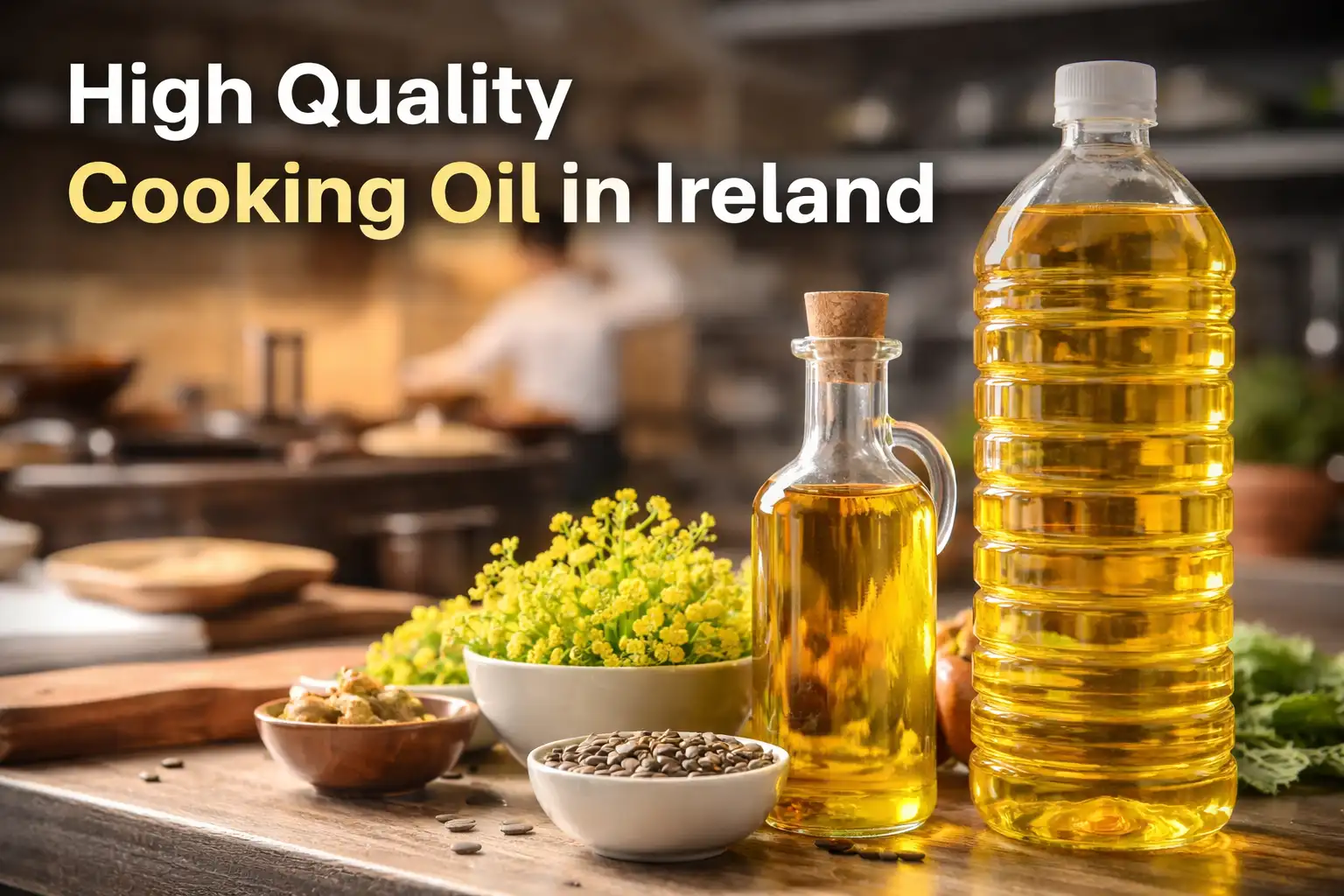
In the steam-filled kitchens of a bustling Dublin gastropub or the golden-lit chippers lining the Wild Atlantic Way, the sizzle of perfectly fried cod or the glossy sheen on a fresh salad dressing tells a bigger story. High-quality cooking oil has quietly become the unsung hero of Ireland’s thriving food scene. Once an afterthought relegated to bulk drums of generic vegetable oil, today’s premium oils—cold-pressed rapeseed from local farms, extra-virgin olive blends, and sustainable sunflower alternatives—are driving a quiet revolution. As Ireland’s foodservice sector pushes past €10 billion in value and continues its post-pandemic recovery, the demand for superior cooking oils is surging, fueled by health-conscious diners, sustainability mandates, and chefs who refuse to compromise on flavour.
Growth of Ireland’s Food Industry
Ireland’s food industry has never been more vibrant. Bord Bia’s latest insights show the all-island foodservice market growing steadily at around 4.5% in value through 2025, with commercial outlets like restaurants, hotels, and cafés leading the charge. Tourism is booming, export-oriented prepared foods are expanding, and domestic consumers are spending more on premium experiences. This growth isn’t just about volume—it’s about quality. Diners now expect dishes that taste cleaner, feel lighter, and align with their values. Enter high-quality cooking oil: the ingredient that determines whether a dish sings or falls flat.
What Makes Cooking Oil High Quality?
What makes these oils “high-quality”? It starts with sourcing and processing. Cold-pressed rapeseed oil, produced right here in Ireland by pioneering companies like Donegal Rapeseed Oil, Wicklow Rapeseed Oil, Broighter Gold, and Second Nature Oils, delivers a nutty, buttery flavour with high levels of Omega-3 and Vitamin E. Unlike heavily refined imports, these local gems retain their natural goodness and boast impressive smoke points ideal for everything from deep-frying to delicate emulsions. Chefs praise their versatility: a drizzle elevates roasted vegetables, while a splash in pastry creates flaky perfection. Meanwhile, extra-virgin olive oils and carefully selected sunflower oils bring Mediterranean brightness to Irish tables, appealing to the growing appetite for plant-based and Mediterranean-inspired menus.
Health and Sustainability Trends Driving Demand
Health trends are accelerating the shift. Irish consumers increasingly scrutinise labels for clean, natural ingredients. Rapeseed oil’s heart-healthy profile and low saturated fat content make it a star in an era when “reduced fat” and “high protein” claims dominate supermarket shelves. At the same time, environmental awareness is reshaping supply chains. Concerns over deforestation linked to palm oil have pushed many operators toward traceable, RSPO-certified or palm-free alternatives. Local rapeseed production ticks every box: it supports Irish farmers, cuts transport emissions, and delivers a genuinely sustainable product. One innovative supplier even reports that restaurants using their advanced frying oils achieve up to 50% less oil consumption, lower frying temperatures, and dramatically extended fry life—translating to real euro savings and happier kitchens.
Choosing the Right Cooking Oil Supplier
Sustainability isn’t the only driver. Cost efficiency matters more than ever amid fluctuating commodity prices. Sunflower oil imports have seen sharp volume growth in recent months, yet many businesses are moving away from spot-market volatility toward long-term partnerships. This is where the search for a supplier of cooking oil becomes strategic. Irish restaurateurs and food producers are no longer content with anonymous tankers arriving at the back door. They want reliability, consistency, and transparency. A trusted supplier of cooking oil now offers more than product: bulk deliveries in 20-litre to 1,000-litre IBCs, technical support on frying temperatures, waste-oil recycling programmes, and even menu consultations. Leading suppliers have noted a skyrocketing demand for bulk fryer oil precisely because it prevents mid-service stockouts during peak times like St Patrick’s Day or the Christmas rush, while delivering measurable savings of up to 30% annually for mid-sized operations.
Operational Benefits of Bulk Cooking Oil
The rise of bulk high-quality options is transforming operations from Cork hotels to Galway cafés. Take the case of fast-food outlets using specialised frying systems: oil changes drop from every few days to every three weeks, food quality stays crisp longer, and customers notice the difference immediately. Flavoured rapeseed oils—infused with garlic, chilli, or herbs—are also gaining traction, allowing chefs to create signature dishes without extra ingredients. Even institutional kitchens in schools and healthcare facilities, now under pressure to deliver tastier, healthier meals, are switching to premium oils to meet government hot-meal schemes and rising expectations.
Challenges in the Cooking Oil Market
Challenges remain. Global price swings for sunflower and olive oil, supply-chain disruptions, and the need for consistent quality across busy services keep procurement teams on their toes. Yet the industry’s resilience shines through. Innovative processors are blending local rapeseed with carefully sourced imports to create custom solutions that balance cost, performance, and ethics. Origin Green-certified producers are leading the way, proving that Irish food can be both world-class and planet-friendly.
Future Outlook of the Irish Cooking Oil Industry
Looking ahead, the outlook is bright. With foodservice expected to maintain steady growth and consumers demanding ever-higher standards, the appetite for high-quality cooking oil shows no sign of slowing. Chefs and operators who partner with forward-thinking suppliers are not just keeping up—they’re setting the pace. Whether it’s the golden crunch of perfect chips in a Donegal chipper or the elegant finish on a Temple Bar tasting plate, one thing is clear: the right oil doesn’t just cook food. It elevates an entire industry.
Final Thoughts
As Ireland’s food culture continues its remarkable evolution—from farm to fork and field to fryer—the humble cooking oil has stepped into the spotlight. For anyone running a kitchen, the message is simple: invest in quality, choose sustainability, and find that perfect supplier of cooking oil who understands the unique demands of the Irish market. The results? Better food, lower costs, happier customers, and a brighter future for one of Ireland’s most dynamic sectors.
