

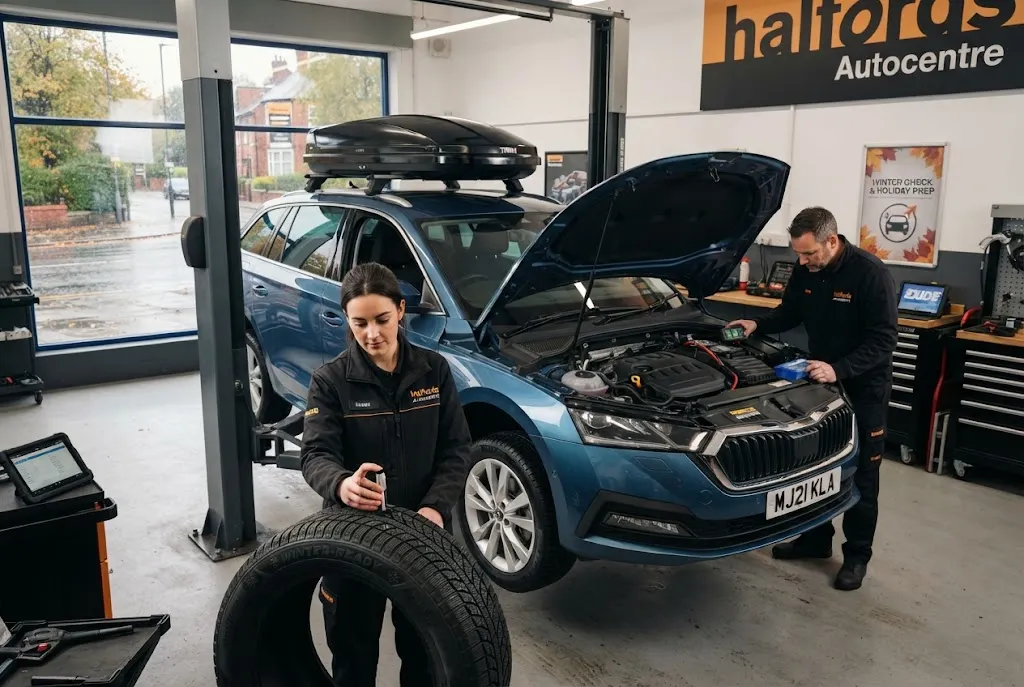
For families, seasonal preparation is particularly useful because a vehicle may be relied upon for school runs, work, shopping and longer trips. Checking tyres, battery condition, fluids, cooling systems and other essential components at the right time can help identify maintenance needs before they become inconvenient.
Seasonal checks should complement, rather than replace, the manufacturer’s recommended servicing schedule. They are an additional opportunity to review areas affected by weather and driving conditions.
Why Seasonal Vehicle Maintenance Matters
Weather can influence how a vehicle operates and how its components perform. Cold temperatures can place additional demands on the battery, while hot weather can increase the importance of a healthy cooling system. Rain, standing water, road debris and changing temperatures can also affect tyres and other components.
A planned approach makes these changes easier to manage. Instead of waiting for a problem to appear, drivers can use the transition between seasons as a reminder to check important vehicle systems.
Seasonal preparation is also useful before major journeys. A basic inspection can identify issues that may otherwise become more noticeable when the vehicle is carrying passengers and luggage over a long distance.
Winter Car Check: Preparing for Colder Weather
A winter car check should focus on components that can be particularly important during cold, wet and darker conditions. The battery, tyres, lights, fluids and windscreen equipment all deserve attention.
Check the Battery
Cold weather can put additional demands on a vehicle’s battery. If the battery is already weak, starting problems may become more noticeable during winter.
Look for signs such as slow engine cranking or difficulty starting. If there are concerns about battery condition, a professional battery test can provide more useful information than relying solely on how the vehicle starts on one particular day.
Inspect Tyres and Pressure
Tyres should have sufficient tread and be free from visible damage. Check pressures against the vehicle manufacturer’s recommended figures and adjust them when necessary.
Drivers should also pay attention to unusual wear. If one side of a tyre is wearing faster than the other, the issue may require investigation. Wheel alignment can be one factor behind uneven tyre wear, although suspension, tyre pressure and other issues can also contribute.
Check Lights and Visibility
Winter often means more driving in darkness or poor weather. Check headlights, brake lights, indicators, rear lights and other exterior lighting. Windscreen wipers and washer fluid are equally important for maintaining visibility.
Summer Vehicle Inspection
A summer vehicle inspection provides an opportunity to prepare the car for warmer temperatures and holiday travel. Cooling systems, tyres, fluids and battery condition can all be worth reviewing.
Cooling System
The cooling system helps regulate engine temperature. Before undertaking long journeys in warm weather, check that the cooling system is in good condition and that the coolant level is appropriate according to the vehicle manufacturer’s guidance.
Warning signs such as overheating, coolant leaks or an unusual temperature reading should be investigated promptly rather than ignored until a planned holiday.
Air Conditioning
Air conditioning can make summer driving more comfortable, particularly when travelling with children or during extended journeys. If the system is not cooling effectively or produces unusual smells or noises, professional inspection may be worthwhile.
Tyre Pressure and Condition
Tyres should be checked before long summer journeys. Make sure pressures match the manufacturer’s recommendations, including any different pressure specified for a heavily loaded vehicle.
Inspect the tread and sidewalls for visible damage. Do not rely only on appearance, however; persistent pressure loss can indicate a problem that needs professional attention.
Seasonal Vehicle Maintenance Before a Holiday
Holiday servicing does not necessarily mean every vehicle needs a full service immediately before travelling. Instead, drivers should review the manufacturer’s service requirements and consider whether the vehicle is due for maintenance.
Before a long journey, check the condition of tyres, brakes, lights, fluids, wipers and battery. If the car has recently developed a warning light, unusual noise, vibration or change in handling, have the issue investigated before travelling.
A professional auto inspection service can be useful when you want a broader assessment before a major journey. Depending on the service, this may combine visual checks with diagnostic testing.
Battery Checks Throughout the Year
Battery checks should not be limited to winter. A battery can deteriorate over time, and its performance can be affected by vehicle usage, age and environmental conditions.
Drivers who mainly make short journeys may place different demands on the charging system than those who regularly complete longer trips. If you notice repeated starting difficulties, dimming lights or other electrical symptoms, professional testing can help establish whether the battery or charging system requires attention.
Keeping track of battery condition can be particularly helpful for family vehicles that need to remain dependable for regular daily travel.
Tyre Pressure and Seasonal Changes
Tyre pressure should be checked regularly rather than only at the start of a season. Temperature changes can affect tyre pressure, while carrying additional passengers or luggage may mean that a different recommended pressure applies.
Always use the vehicle manufacturer’s recommended figures rather than relying on a generic number. The relevant information can often be found in the vehicle handbook or on the manufacturer’s specified information label.
Correct pressure supports tyre performance and can help maintain predictable handling. It should be considered alongside tread condition, visible damage and proper wheel alignment.
Cooling System Checks for Warmer Months
The cooling system deserves particular attention before periods of warmer weather and long-distance driving. The system is responsible for controlling engine temperature, so problems can become significant if they are ignored.
Check the coolant level according to the manufacturer’s instructions and look for obvious signs of leaks. If the engine temperature rises beyond its normal range, stop safely and follow the manufacturer’s guidance rather than continuing to drive and hoping the problem resolves itself.
Overheating can have multiple causes, so a professional inspection may be necessary when symptoms occur.
Spring and Autumn Maintenance Checks
Seasonal preparation is not only about winter and summer. Spring and autumn are useful transition points for reviewing the vehicle after one set of conditions and before another.
In spring, inspect tyres and wheels after winter driving, check exterior lights and review any maintenance issues that appeared during colder weather. It can also be a good time to clean areas where road dirt and debris have accumulated.
In autumn, prepare for darker evenings and wetter roads by checking lights, wipers, tyres and visibility. A battery assessment can also be sensible before colder temperatures arrive.
Seasonal Maintenance and Routine Servicing
Seasonal maintenance should work alongside routine servicing rather than replace it. The manufacturer’s service schedule remains an important reference because it is designed around the vehicle’s specific requirements.
Keep accurate vehicle maintenance records so you know when services, repairs and other important checks were completed. This can make it easier to plan upcoming work and identify recurring issues.
Drivers can also use service reminders or digital records to keep track of upcoming maintenance. This is particularly useful when more than one person uses the same family vehicle.
Travel Preparation Checklist
Before a long trip, a simple travel preparation routine can help you review the vehicle systematically. Consider checking:
- Tyre pressures and visible tyre condition
- Tread depth and unusual wear
- Engine oil and other relevant fluids
- Coolant level and signs of leaks
- Battery condition and starting performance
- Headlights, brake lights and indicators
- Windscreen wipers and washer fluid
- Brakes and any recent braking symptoms
- Warning lights on the dashboard
- Any unusual noises, vibrations or changes in handling
If anything appears abnormal, arrange an inspection before the journey rather than treating the checklist as a guarantee that the vehicle is roadworthy.
When Professional Seasonal Checks Make Sense
Some seasonal checks can be completed by the vehicle owner, such as checking tyre pressures or washer fluid. Others require suitable equipment and technical knowledge.
Professional assistance is particularly appropriate when there is a warning light, suspected battery problem, overheating, unusual tyre wear, braking concern or change in steering behaviour. A technician can investigate the underlying cause rather than simply addressing the visible symptom.
For vehicles showing electronic warning signs, vehicle diagnostics may form part of the inspection.
Frequently Asked Questions About Seasonal Vehicle Maintenance
How often should seasonal vehicle maintenance be carried out?
There is no universal interval because vehicles, drivers and conditions vary. Reviewing the car when seasons change can provide a useful reminder, while regular checks should continue throughout the year.
What should I check before winter?
Pay particular attention to tyres, tyre pressure, battery condition, lights, wipers, washer fluid and other items that affect visibility and reliability in colder or wetter conditions.
Should I service my car before a holiday?
If the vehicle is due for a service, follow the manufacturer’s schedule. Even when a full service is not due, checking tyres, fluids, lights, battery and other key systems before a long journey can be worthwhile.
Why is tyre pressure important in different seasons?
Temperature changes can influence tyre pressure, while vehicle loading can also affect the recommended pressure. Check the manufacturer’s specified figures regularly.
Can seasonal checks replace a vehicle service?
No. Seasonal checks complement routine servicing. They focus on conditions and components that may need additional attention as weather and driving patterns change.
Final Thoughts
Seasonal vehicle maintenance provides a practical way to prepare a car for changing weather, everyday family use and longer journeys. Winter checks can focus on batteries, tyres, lights and visibility, while summer preparation can place greater attention on cooling systems, tyre condition and holiday travel.
The most effective approach is consistent rather than complicated. Follow the manufacturer’s service schedule, monitor warning signs, check basic items regularly and arrange professional inspections when something does not seem right. Combined with routine servicing and good maintenance records, seasonal preparation can help keep family vehicles ready for the conditions ahead.
