

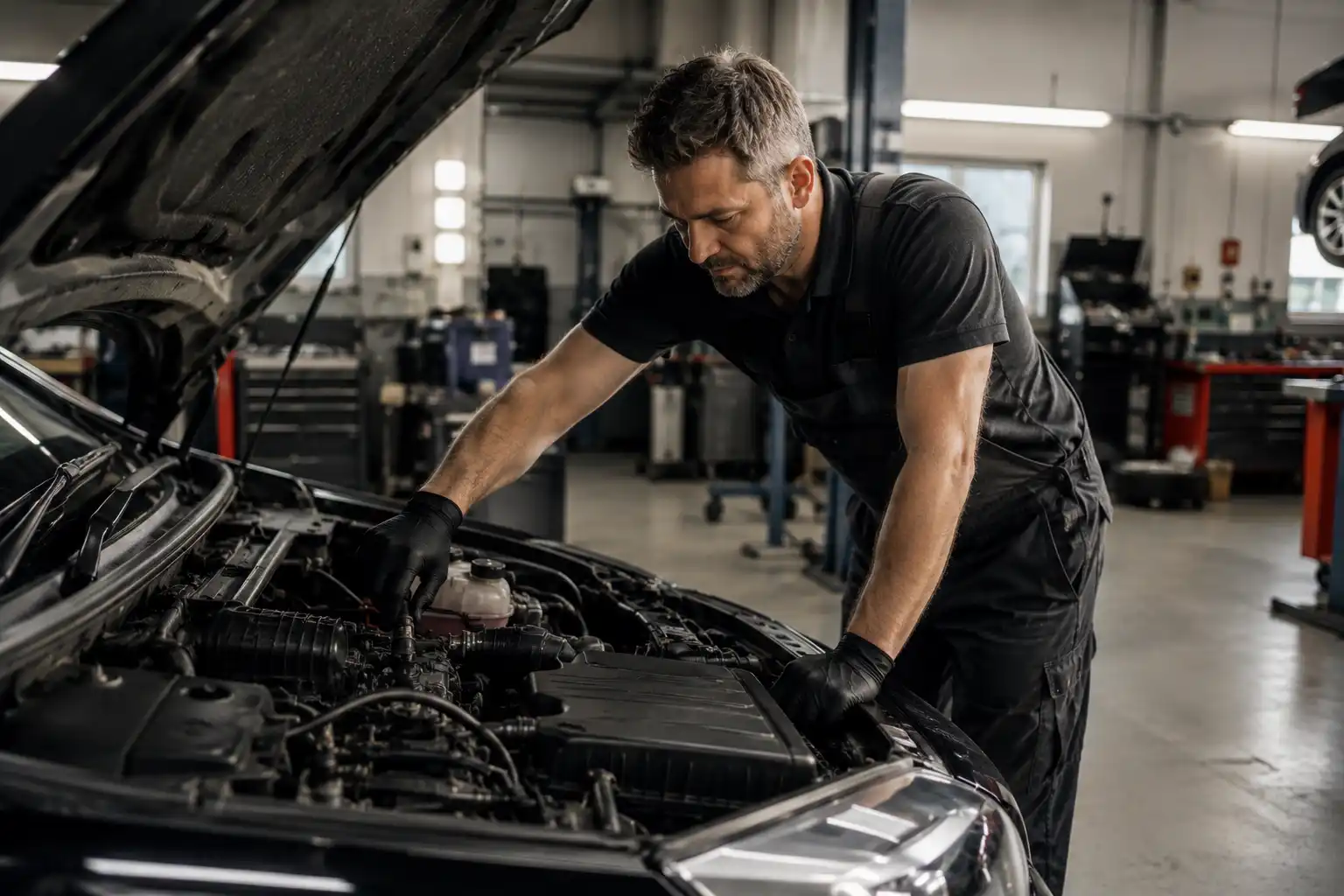
Regular vehicle maintenance is one of the most effective ways to protect your car, improve road safety, and reduce long-term ownership costs. Yet many drivers delay servicing appointments until a warning light appears or a mechanical issue becomes impossible to ignore.
Whether you drive daily through busy city traffic or use your vehicle mainly for motorway journeys, preventative maintenance plays a major role in keeping your car reliable and efficient throughout the year.
From oil changes and tyre inspections to engine maintenance and brake checks, staying consistent with servicing can help prevent expensive repairs while extending the life of your vehicle.
Why Regular Vehicle Maintenance Matters
Every vehicle experiences wear over time. Engine components, tyres, fluids, filters, and braking systems gradually deteriorate through normal use. Without proper maintenance, small issues can quickly turn into major mechanical problems.
Routine servicing allows mechanics to identify early signs of damage before they affect vehicle performance or safety.
Drivers who maintain their vehicles properly also tend to experience fewer unexpected breakdowns and lower repair costs over the long term.
Improved Road Safety
One of the biggest advantages of regular maintenance is improved driving safety. Faulty brakes, worn tyres, steering problems, or low fluid levels can significantly increase accident risks.
Professional inspections help ensure critical safety systems continue operating correctly.
Brake System Inspections
Routine servicing often includes checking brake pads, discs, brake fluid, and hydraulic systems for signs of wear.
Ignoring early warning signs can eventually lead to expensive repairs or dangerous driving conditions. Drivers who notice symptoms like vibrations or squealing noises should arrange professional brake repair services as soon as possible.
Tyre Safety
Tyres affect traction, handling, and stopping distance. Regular maintenance helps identify uneven wear, low tread depth, and pressure issues before they compromise road safety.
Better Fuel Efficiency
Poorly maintained vehicles often consume more fuel. Dirty filters, low tyre pressure, old engine oil, and worn spark plugs can reduce engine efficiency and increase fuel consumption.
Routine maintenance helps keep the engine operating smoothly and efficiently.
Simple services like oil changes and air filter replacement can noticeably improve fuel economy over time, especially for drivers who cover high annual mileage.
Reduced Long-Term Repair Costs
Preventative maintenance is usually far less expensive than emergency repairs. Replacing worn components early often prevents additional damage to connected systems.
For example:
- Replacing brake pads early can prevent rotor damage
- Fixing small coolant leaks can avoid engine overheating
- Regular oil changes reduce internal engine wear
- Servicing air conditioning systems prevents compressor failure
Many drivers delay minor servicing appointments only to face much larger repair bills later.
Longer Engine Lifespan
The engine is one of the most expensive components in any vehicle. Proper engine maintenance helps reduce friction, overheating, and contamination that gradually damage internal parts.
Importance of Oil Changes
Engine oil lubricates moving parts and helps regulate temperature. Over time, oil becomes contaminated and less effective.
Routine oil changes help:
- Reduce engine wear
- Improve performance
- Maintain fuel efficiency
- Prevent overheating
- Extend engine lifespan
The RAC vehicle servicing guide explains how regular maintenance can reduce mechanical failures and improve overall vehicle reliability.
Improved Driving Comfort
Maintenance is not only about preventing breakdowns. It also improves driving comfort and day-to-day usability.
Routine servicing can help maintain:
- Smooth steering
- Responsive braking
- Consistent acceleration
- Effective heating and cooling systems
- Reduced engine noise
For example, regular vehicle air conditioning repair and servicing helps maintain cabin comfort during warmer weather and prevents unpleasant odours caused by clogged filters or moisture buildup.
Higher Resale Value
A well-maintained vehicle is usually more attractive to buyers. Service history records help demonstrate that the car has been properly cared for.
Vehicles with consistent maintenance records often:
- Sell faster
- Retain higher market value
- Create better buyer confidence
- Require fewer pre-sale repairs
Cosmetic maintenance also contributes to resale value. Many owners combine servicing with professional car detailing and paint protection services to keep both the interior and exterior in strong condition.
Reduced Risk of Breakdown
Unexpected breakdowns can be stressful, expensive, and dangerous, especially during long-distance travel or motorway driving.
Routine inspections help mechanics detect failing components before they cause sudden breakdowns.
Common preventative checks include:
- Battery condition testing
- Fluid level inspections
- Belt and hose checks
- Cooling system inspections
- Brake system evaluations
Seasonal Maintenance Is Important in the UK
UK weather conditions can place additional strain on vehicles throughout the year.
Winter Maintenance
- Battery inspections
- Tyre pressure checks
- Coolant testing
- Brake inspections
Summer Maintenance
- Air conditioning servicing
- Cooling system checks
- Fluid top-ups
- Tyre condition inspections
Seasonal servicing helps prepare vehicles for changing road and weather conditions.
How Often Should You Service Your Vehicle?
Service intervals vary depending on the vehicle manufacturer, driving habits, and mileage.
However, most vehicles benefit from:
- Annual servicing
- Oil changes every 5,000–10,000 miles
- Brake inspections every few months
- Tyre checks monthly
- Air conditioning servicing every 1–2 years
Drivers who regularly commute in heavy traffic or drive long distances may require more frequent inspections.
Final Thoughts
Following consistent vehicle maintenance tips is one of the smartest ways to improve safety, reliability, and long-term vehicle performance. Routine servicing not only helps prevent expensive repairs but also improves fuel efficiency, comfort, and resale value.
From engine maintenance and oil changes to brake inspections and air conditioning servicing, preventative care plays a vital role in keeping your vehicle operating efficiently throughout the year. Investing in regular maintenance today can help avoid larger problems and unnecessary costs in the future.
