

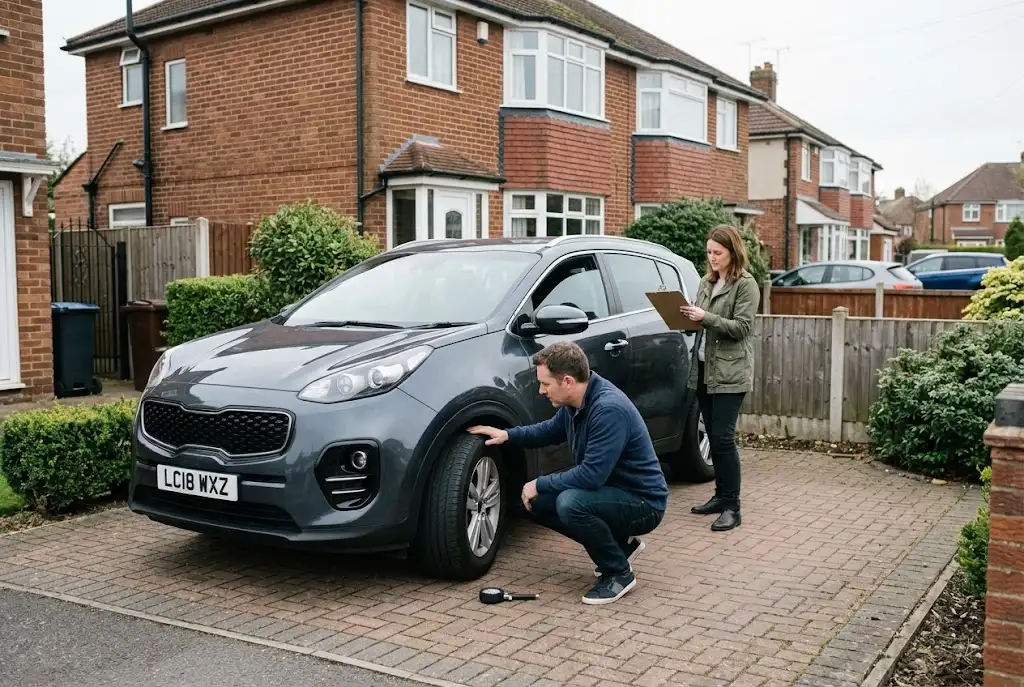
For busy families, vehicle maintenance can easily slip down the list of priorities. School runs, work commutes, shopping trips, appointments and weekend travel can leave little time for thinking about the condition of the family car. However, keeping up with routine maintenance is one of the simplest ways to make everyday driving safer, more predictable and less stressful.
A practical maintenance routine does not mean spending hours checking the car every week. Instead, it means knowing which checks matter, keeping accurate maintenance records, responding to servicing reminders and planning important work before a small issue becomes a larger problem. With a simple system, family car care can become part of normal household planning rather than an unexpected chore.
Why Vehicle Maintenance Matters for Busy Families
A family vehicle often works harder than a car used occasionally. It may handle short school journeys in the morning, a long commute during the day, supermarket runs in the evening and longer journeys at the weekend. Frequent stop-start driving, short trips and changing loads can all make regular maintenance particularly important.
Good vehicle maintenance helps families identify potential problems before they become disruptive. A warning light, unusual noise, worn tyre or weak battery may be easier and cheaper to address when noticed early than after the vehicle develops a more serious fault.
It also helps with ownership planning. Rather than waiting for an unexpected garage visit, families can anticipate routine servicing, tyre replacement, brake inspections and other scheduled work. This makes motoring expenses easier to organise alongside other household costs.
Build a Simple Maintenance Checklist
The best maintenance system is one that a busy household can actually follow. A simple maintenance checklist can divide vehicle care into quick checks, regular servicing and occasional inspections.
For example, drivers can make basic visual checks before longer journeys and pay attention to changes in the vehicle’s behaviour during everyday driving. Tyre condition, visible damage, lights and fluid levels are among the areas worth keeping an eye on according to the vehicle manufacturer’s guidance.
More involved work should be handled according to the manufacturer’s service schedule or by a suitably qualified professional. The exact requirements vary between vehicles, so families should avoid assuming that every car follows the same maintenance intervals.
Keep Routine Checks Practical
A useful routine might include checking the tyres, lights and windscreen condition before a long family journey. Drivers should also take unusual vibrations, noises, warning lights or changes in braking seriously.
The goal is not to diagnose every mechanical problem at home. Instead, these checks help identify when professional attention may be appropriate.
Use Preventive Maintenance to Avoid Disruption
Preventive maintenance is about dealing with routine vehicle care before a failure leaves the family stranded. It can include scheduled servicing, tyre checks, brake inspections, battery testing and replacing components when they reach the appropriate service interval.
This approach is particularly useful for households that depend heavily on one vehicle. If the car is essential for getting children to school or reaching work, an unexpected breakdown can affect several people at once.
Preventive maintenance cannot eliminate every possible breakdown, but it can reduce the risk of neglecting known maintenance needs. It also gives drivers an opportunity to discuss developing issues with a garage before they become urgent.
Keep Accurate Maintenance Records
Good maintenance records make vehicle ownership easier. Instead of trying to remember when the oil was changed, tyres were replaced or the vehicle was serviced, the information can be kept in one place.
Records are useful when booking future servicing because they give the garage a clearer picture of the vehicle’s recent history. They can also help families plan upcoming expenditure and avoid unnecessarily repeating work that has already been completed.
If the vehicle is eventually sold, a well-organised service history can also provide useful evidence of how the car has been maintained. Keep invoices, service documents and relevant inspection information together where possible.
Consider a Digital Service Record
A digital service record can be particularly convenient for families who manage most household information through their phones. Digital records can reduce the chance of losing paper documents and make previous maintenance information easier to access when arranging servicing.
However, the important thing is consistency rather than the specific format. A reliable paper record can still be useful. The best system is the one that the household updates whenever work is completed.
Set Servicing Reminders Around Family Life
Busy schedules make it easy to forget vehicle servicing. Setting servicing reminders around the manufacturer’s recommended schedule can prevent routine maintenance from being overlooked.
Instead of relying only on memory, add reminders to a household calendar or another system used regularly. A reminder can also include the vehicle’s current mileage and the type of work expected, making it easier to budget and book an appointment.
It is worth checking the vehicle handbook or manufacturer’s information for the appropriate service interval. Different vehicles have different requirements, and some maintenance schedules depend on both time and mileage.
Make Family Car Care Part of Your Routine
Family car care works best when responsibilities are simple and clearly understood. One person might monitor servicing dates while another checks that the vehicle is ready before a major journey. Older children can also learn basic road-safety habits, such as recognising the importance of functioning lights and properly maintained tyres, without being expected to carry out mechanical work.
A small amount of regular attention can make vehicle ownership feel more manageable. For example, drivers can note unusual symptoms when they occur rather than trying to remember them several weeks later when the car reaches a garage.
Families should also avoid ignoring warning lights or delaying professional advice when a vehicle behaves differently. The UK government’s MOT guidance provides useful information about MOT testing, although an MOT should not be treated as a replacement for routine servicing and maintenance.
Plan Maintenance Around Your Annual Schedule
Ownership planning becomes easier when maintenance is considered alongside the family’s annual calendar. Think about school holidays, regular long-distance journeys, seasonal changes and periods when the vehicle will be particularly important.
For example, a family planning a long holiday journey may want to arrange servicing and basic checks before travelling rather than leaving everything until the day before departure. If winter driving is approaching, checking tyres, lights, battery condition and other relevant areas can provide additional peace of mind.
For more detailed preparation before a major journey, families can also use a dedicated car maintenance approach that brings routine checks into their wider ownership routine.
Know When Professional Vehicle Care Is Needed
Some maintenance tasks are straightforward checks, while others require specialist equipment, knowledge or replacement parts. Families should not attempt repairs they are not qualified or equipped to perform.
Professional attention is especially important when there are persistent warning lights, braking problems, steering issues, fluid leaks, unusual engine noises or significant changes in vehicle performance. Getting a problem assessed early can help establish what needs attention and whether the vehicle is safe to continue driving.
If a vehicle does require repairs rather than routine servicing, our guide to auto repair services can sit alongside this maintenance guide as part of the wider family car-care cluster.
Vehicle Maintenance Before Buying or Selling a Family Car
Maintenance history is also relevant when making larger vehicle ownership decisions. Before buying a used family car, reviewing its available service history can help buyers understand how consistently it has been maintained.
An independent vehicle inspection can provide another layer of information, particularly when buying a used vehicle privately or when the purchase represents a significant household commitment. For families considering this option, our guide to auto inspection services covers the role of professional vehicle checks.
Similarly, keeping maintenance documents organised can make the selling process more straightforward because important information about servicing and repairs is easier to present.
A Simple Vehicle Maintenance Routine for Busy Households
You do not need a complicated system to stay organised. A practical routine could look like this:
- Regularly: Pay attention to warning lights, unusual noises, vibrations and changes in driving behaviour.
- Before longer journeys: Check tyres, lights, windscreen condition and other basic safety items.
- When servicing is due: Book the vehicle according to the manufacturer’s recommended schedule.
- After maintenance: Update the maintenance records with the date, mileage and work completed.
- Throughout the year: Keep servicing reminders and upcoming maintenance costs in the household calendar.
- When problems appear: Seek professional advice rather than allowing potentially serious issues to continue unnoticed.
Make Routine Maintenance Easier to Manage
For families, the biggest challenge is often not understanding that a car needs maintenance. It is finding a reliable way to fit that maintenance into an already busy schedule. A simple checklist, accurate records and timely reminders can solve much of that problem.
Good vehicle maintenance is ultimately about being proactive. By keeping track of servicing, monitoring the vehicle’s condition and planning maintenance around family commitments, drivers can reduce avoidable surprises and keep their car better prepared for everyday use.
When maintenance becomes a normal part of household planning rather than something addressed only after a breakdown, family motoring becomes easier to manage. The result is a more organised approach to vehicle ownership, with professional support used whenever a problem requires specialist attention.
