

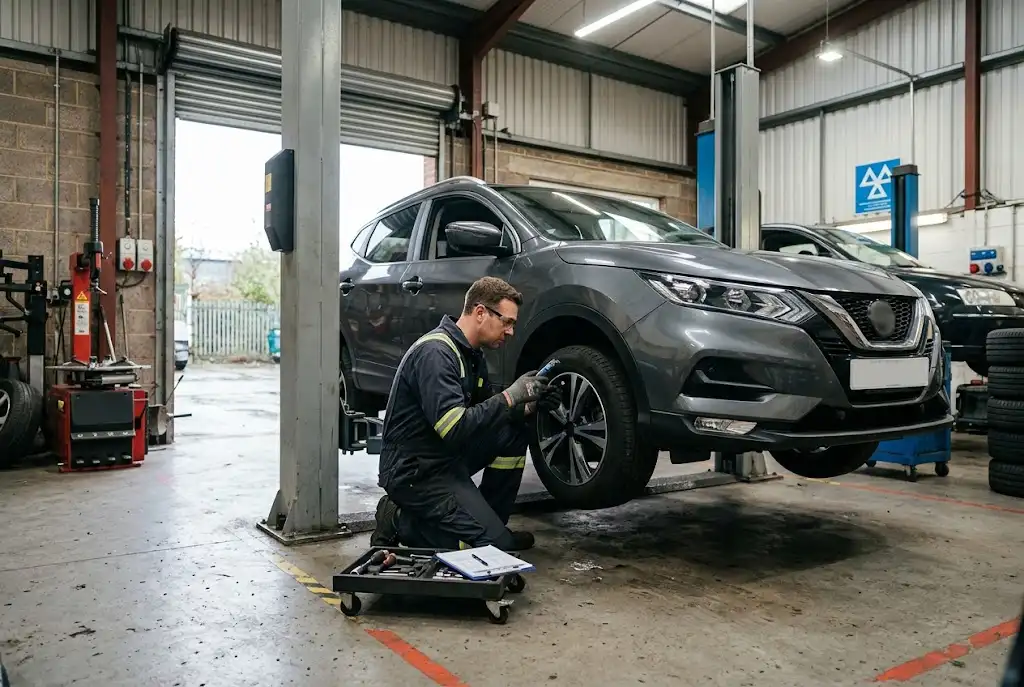
For families who rely on a car every day, knowing whether the vehicle is genuinely safe and in good condition matters. Auto inspection services provide a structured way to assess a vehicle beyond simply looking at its exterior or waiting for a problem to appear. They can be particularly useful when buying a used family car, investigating an unexplained issue or checking the overall condition of a vehicle before an important journey.
A professional inspection does not replace routine servicing or an MOT. Instead, it gives drivers additional information about the vehicle’s current condition. For busy households, that information can make it easier to identify potential concerns, prioritise repairs and make better decisions about vehicle ownership.
What Are Auto Inspection Services?
Auto inspection services involve examining a vehicle’s mechanical, electrical, safety and general condition. The exact inspection process varies depending on the provider, vehicle and reason for the inspection.
A basic inspection may focus on visible components and general condition, while a more detailed assessment can include diagnostic equipment and checks of important mechanical systems. When buying a used car, an independent inspection can also provide an objective assessment before money changes hands.
The purpose is not necessarily to declare a vehicle perfect. Instead, an inspection should help establish what appears to be in good condition, what may require attention and whether there are issues that deserve further investigation.
Why Vehicle Inspection Matters for Families
A family car often carries more responsibility than simply providing transport. Parents may depend on it for school runs, commuting, shopping, appointments and holidays. A problem with the vehicle can therefore affect an entire household’s schedule.
A professional vehicle inspection can provide reassurance when there is uncertainty about the car’s condition. It may also help identify issues that are difficult for a non-specialist driver to spot during everyday use.
For example, a car can appear clean and well presented while still having mechanical or electrical concerns. An inspection looks beyond cosmetic appearance and considers the condition of relevant vehicle systems.
When Should a Family Consider an Inspection?
There are several situations where an inspection can be useful. Families do not necessarily need a professional inspection every time they drive their car, but certain circumstances justify taking a closer look.
Before Buying a Used Family Car
A pre-purchase inspection can be valuable when considering a used vehicle. This is particularly relevant when purchasing privately or when the vehicle’s history and condition are not completely clear.
An independent assessment may uncover issues that are not immediately obvious during a short test drive. It can also give the buyer more information when deciding whether to proceed, negotiate or walk away.
For a family choosing a vehicle that may be used for years, this additional information can be worthwhile because the purchase price is only one part of the total cost of ownership.
When the Car Behaves Differently
An inspection can also be appropriate when a vehicle develops symptoms that are difficult to explain. Unusual noises, warning lights, vibrations, starting problems or changes in braking and handling should not simply be ignored.
Depending on the symptoms, a garage may recommend a specific diagnostic or mechanical assessment. Early investigation can help establish whether the issue is minor, requires repair or could affect safe operation.
Before a Major Change in Usage
If a family is about to rely on its vehicle more heavily, a condition check may also make sense. For example, a car that has mainly been used for short local journeys may receive more demanding use during a long-distance holiday.
This does not replace the normal maintenance schedule. Instead, it provides another opportunity to identify concerns before the vehicle takes on additional demands.
Safety Inspection: What Should Be Checked?
A proper safety inspection should consider the areas that can influence the vehicle’s safe operation. The exact checklist will vary, but relevant areas may include tyres, braking components, steering, suspension, lights, visibility-related equipment and other safety-critical systems.
The condition of tyres deserves particular attention because tread, pressure, damage and general condition can all affect how a vehicle performs on the road. Braking performance is similarly important for a family vehicle that regularly operates in busy urban traffic.
Drivers should also make sure that warning lights and other signs of potential faults are investigated rather than assuming that the vehicle is safe simply because it is still running normally.
Independent Inspection for Used Cars
An independent inspection can be especially helpful when buying a used family vehicle. The seller may provide maintenance documents and the car may have a valid MOT, but these factors do not automatically guarantee that every component is in excellent condition.
An independent assessment gives the buyer another source of information before committing to the purchase. It can be particularly useful when the buyer does not have the technical knowledge to assess mechanical condition personally.
Families should remember that an inspection is an assessment at a particular point in time. It cannot guarantee that a vehicle will not develop a fault after the inspection, so the report should be considered alongside the vehicle’s history, mileage, service information and overall circumstances.
How Diagnostic Inspection Can Help
A diagnostic inspection can use specialist equipment to investigate electronic systems and fault codes. Modern vehicles contain numerous electronic control systems, so some problems cannot be properly assessed through a visual inspection alone.
Diagnostic equipment can help technicians investigate warning lights and reported symptoms. However, a diagnostic code is not always the same thing as a complete diagnosis. Further testing may be required to determine the underlying cause of a fault.
This is why families should provide the technician with as much useful information as possible. Explain when the problem occurs, what the vehicle feels or sounds like and whether any warning lights have appeared.
Vehicle Health Checks for Everyday Peace of Mind
Vehicle health checks can provide a useful middle ground between routine maintenance and investigating a specific fault. They can help drivers understand the general condition of important components and identify areas that may need attention.
For a family car, the value of a health check is often in prioritisation. Not every observation requires immediate repair. A professional assessment can help distinguish between issues that need prompt attention and items that may be monitored or planned for later, depending on their condition.
This can make household vehicle planning easier, particularly when several maintenance or repair costs are competing for attention.
Understanding Condition Reports
A professional inspection should ideally produce a clear condition report or equivalent explanation of the findings. The usefulness of the report depends on how clearly it communicates the vehicle’s condition and any recommended actions.
When reviewing a report, look for clear descriptions rather than simply a long list of technical terms. Families should understand which findings are safety-related, which require attention soon and which are observations that may be monitored.
If something in the report is unclear, ask the inspection provider or technician to explain it. A good inspection is most useful when the vehicle owner understands what the findings mean for practical driving and future ownership.
Inspection vs MOT: What’s the Difference?
An MOT and a professional inspection serve different purposes. An MOT is a legally required test for eligible vehicles in Great Britain that checks whether a vehicle meets specific legal safety and environmental standards at the time of the test.
The UK government’s MOT guidance explains the role of the MOT and what motorists should know about the testing process.
A vehicle can have a valid MOT while still having maintenance needs or developing problems that should be addressed. Likewise, passing an MOT should not be treated as a comprehensive assessment of every aspect of a vehicle’s condition.
For families, the sensible approach is to view MOT testing, routine maintenance and professional inspections as complementary parts of responsible vehicle ownership.
Questions to Ask Before Booking an Inspection
Inspection services can vary considerably, so it is worth understanding what is included before making an appointment. Consider asking:
- What areas of the vehicle will be inspected?
- Will diagnostic equipment be used if appropriate?
- Will the inspection include a road test?
- Will photographs or written findings be provided?
- Will safety-critical issues be clearly identified?
- What happens if a major fault is discovered?
- Is the inspection independent of the vehicle seller?
The answers can help families choose a service that matches their actual needs rather than paying for an inspection that does not provide enough useful information.
Use Inspection Findings to Plan Repairs
An inspection is most valuable when its findings lead to sensible action. If a technician identifies a concern, ask what should happen next and how urgent the work is.
Some findings may require prompt attention, while others can be incorporated into future vehicle maintenance planning. Keeping the inspection report alongside other maintenance records can also make future conversations with a garage easier.
If the inspection identifies a repair requirement, the family can then seek appropriate auto repair services rather than allowing the issue to remain unresolved.
Preparing a Family Car for Longer Journeys
Families planning a major road trip should not wait until the morning of departure to think about vehicle condition. A professional inspection may be appropriate when there are known concerns or uncertainty about the vehicle.
Even when an inspection is not necessary, basic preparation should include checking the vehicle’s tyres, lights, fluids where appropriate and other items recommended by the manufacturer. Any existing warning lights or mechanical symptoms should be investigated before setting off.
This approach works particularly well when combined with a wider car maintenance routine that accounts for seasonal driving and long-distance travel.
Make Vehicle Condition Part of Family Car Planning
Good family vehicle management is not only about reacting when something goes wrong. It is about understanding the condition of the car and making informed decisions about maintenance, repairs and future ownership.
Auto inspection services can provide valuable information when a family is buying a used car, investigating an unexplained problem or seeking a clearer picture of its vehicle’s condition. They should be viewed as one part of a wider approach that includes routine maintenance, MOT testing and timely repairs.
For busy households, the key is to avoid leaving important vehicle decisions until they become urgent. Keeping inspection findings, service information and maintenance records organised makes it easier to plan ahead and keep the family car ready for the journeys that matter.
