

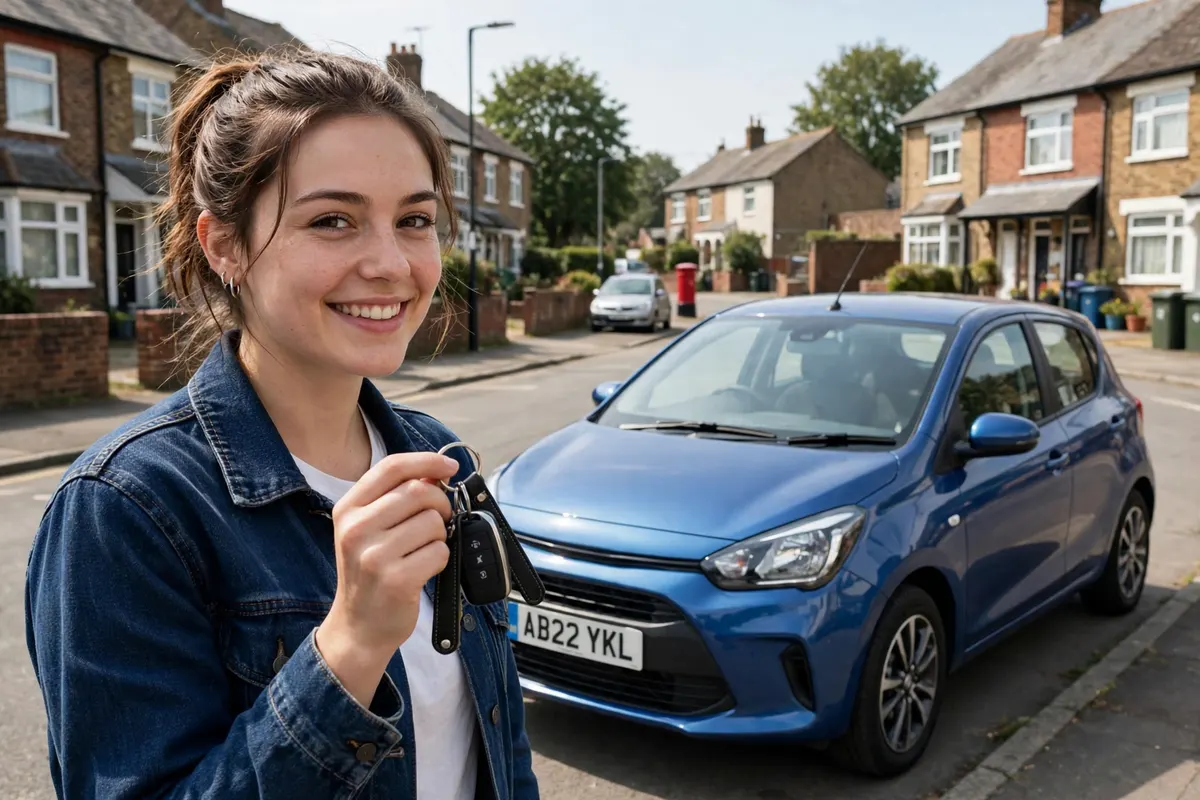
Car insurance for young drivers in the UK is expensive, and for many new drivers it costs more than the car itself. A 17-year-old insuring their first car can face quotes of well over a thousand pounds a year, even for a small, low-powered hatchback. The reasons are clear to insurers, but they feel unfair to the young drivers paying the bills.
This guide explains why young driver insurance costs so much, what the main types of cover are, and the practical steps that bring the price down. It is written for new drivers and for parents helping a son or daughter get on the road.
Why Young Drivers Pay More
Insurers set prices based on risk, and the statistics for young drivers are stark. Drivers aged 17 to 24 are involved in a higher share of accidents than any other age group, and the claims they make tend to be larger. That is not a judgement on any individual young driver. It is a pattern across millions of policies, and insurers price for the pattern.
Inexperience is the main reason. A new driver has not yet built the habits that keep more experienced drivers safe: reading the road ahead, judging gaps, and reacting calmly when something unexpected happens. Those skills come with miles driven, and the first year is the riskiest.
The car matters too. A young driver in a fast or expensive car is a bigger risk than the same driver in a small hatchback with a small engine. That is why the choice of first car is one of the biggest factors in the price of the first policy.
For a real-world example, take two 18-year-olds. One insures a ten-year-old 1.0-litre hatchback, parks it on a driveway, and adds a parent as a named driver. The other insures a 2.0-litre sports coupe, parks on the street in a city, and drives alone. The second driver can easily pay three times as much for the same cover, because every choice they made pushed the risk up.
The Main Types of Cover
There are three levels of car insurance in the UK. Third party only is the minimum legal requirement. It covers damage you cause to other people and their property, but not damage to your own car. Third party, fire and theft adds cover if your car is stolen or damaged by fire. Comprehensive cover also pays for damage to your own car, whatever the cause.
For young drivers, comprehensive cover is often cheaper than third party only, which surprises many people. The reason is that drivers who choose third party only tend to make more claims, so insurers price it higher. Always compare all three levels before you decide, because the cheapest-looking option is often not the cheapest.
Black box, or telematics, policies are the other main choice for young drivers. A small device or app tracks how you drive, including your speed, braking and the time of day you drive. Safe driving earns discounts, and some policies set a curfew or a mileage limit. For a careful young driver, a black box policy can cut hundreds of pounds off the first premium.
Paying annually rather than monthly also saves money. Monthly payments include interest, and the total can be 10 to 20 percent higher than the annual price. If you can afford to pay in one go, do it.
Choosing the Right First Car
The car you choose is the single biggest lever on the price. Cars are grouped into insurance groups from 1 to 50, and the group is based on the cost of repairs, the performance and the security features. A car in group 1 or 2 will always be cheaper to insure than a car in group 20.
Small cars with small engines are the cheapest to insure. A 1.0-litre hatchback from a mainstream maker is the classic first car for a reason. It is cheap to buy, cheap to repair and cheap to insure. A car with a larger engine, a turbo or a sporty badge will cost far more, even if it is the same age.
Before you buy, get insurance quotes for the exact car. The difference between two similar-looking cars can be hundreds of pounds, because the insurance group, the repair costs and the theft risk all vary. Our guide to a family used car checklist is worth reading before you buy, because a car with hidden problems will cost you twice, once at the garage and once at renewal.
Think about the running costs as well. A cheap car that needs constant repairs is not cheap. The advice in our guide to choosing the right car finance deal applies here too: look at the total cost of owning the car, not just the price on the windscreen.
Ways to Bring the Price Down
Adding a parent as a named driver usually cuts the price. This works because insurers see the car as shared with an experienced driver. It must be genuine, the parent must actually drive the car sometimes. Adding a parent who never drives the car, just to cut the price, is called fronting, and it can void the policy.
Passing the Pass Plus course can help. Pass Plus is a short course of extra driving lessons after the test, covering motorways, night driving and bad weather. Some insurers offer a discount to drivers who have completed it, and the extra experience makes you safer as well.
Keeping the car secure matters. A car parked on a driveway or in a garage is cheaper to insure than one parked on the street. A fitted immobiliser or tracker can also help, especially in areas with higher theft rates. Tell the insurer about every security feature the car has.
Choosing a higher voluntary excess lowers the premium, because you agree to pay more of any claim yourself. Only do this if you can genuinely afford the excess. A thousand-pound excess is no saving if a small bump leaves you unable to pay it. The same thinking applies to repair costs generally, and our guide to car repair costs explains how to plan for them.
Finally, compare quotes properly. Prices vary enormously between insurers for the same driver and the same car, so get quotes from several comparison sites and at least one insurer that does not appear on them. Renewing with the same insurer without checking is the easiest way to overpay.
Common Mistakes Young Drivers Make
The most common mistake is not declaring modifications. Alloy wheels, a new exhaust or even a roof rack can count as a modification, and failing to declare one can void the policy. If you change anything on the car, tell the insurer.
The second mistake is getting the mileage wrong. Underestimating your annual mileage to cut the price is a false economy, because a claim can be refused if the mileage is far out. Estimate honestly, and update the insurer if your driving changes.
The third mistake is forgetting that insurance is not just a legal box to tick. Driving without insurance is a serious offence that brings points, a fine and a record that will make future insurance far more expensive. It is also worth remembering that your insurance covers the car for the uses you declared, so check whether commuting to work is included, not just social driving.
Keeping the car in good condition matters too. A car that is looked after is less likely to break down and less likely to be in an accident. The checks in our guide to family car safety apply to young drivers just as much as to anyone else, and they take only a few minutes.
Insurance and the Cost of Running a Car
Insurance is only one part of the cost of running a car. Fuel, servicing, repairs and tax all add up, and a young driver who budgets only for the premium will be caught out. A realistic budget includes a service once a year, new tyres when they wear out, and a small reserve for unexpected repairs.
Servicing is part of that budget. The guide to affordable car servicing explains what a service should cost and what it should include, and a car that is serviced on time is cheaper to run and easier to insure.
It is also worth comparing the total cost of owning different cars before you buy. A car that is cheap to insure but expensive to repair is not a bargain. Look at insurance, fuel, tax and likely repair costs together, and choose the car that is cheapest overall.
For families weighing up home and car cover together, our guide to home insurance explained covers the other policy most households need, and the same habit of comparing quotes and reading the cover applies to both.
Your First Year on the Road
Car insurance for young drivers in the UK is expensive because the risk is real, but it does fall. After a year of claim-free driving, most young drivers see a noticeable drop in their renewal price. After two or three years, the fall is larger still, especially if you keep a clean licence and stay with a good insurer.
The choices you make in the first year set the pattern. A small car, a black box policy, a named driver and careful driving will all help. So will paying annually, declaring everything honestly, and shopping around at renewal instead of accepting the first price you are offered.
Start with the car, compare properly, and drive carefully. The price will come down, and the road will feel easier with every mile.
