

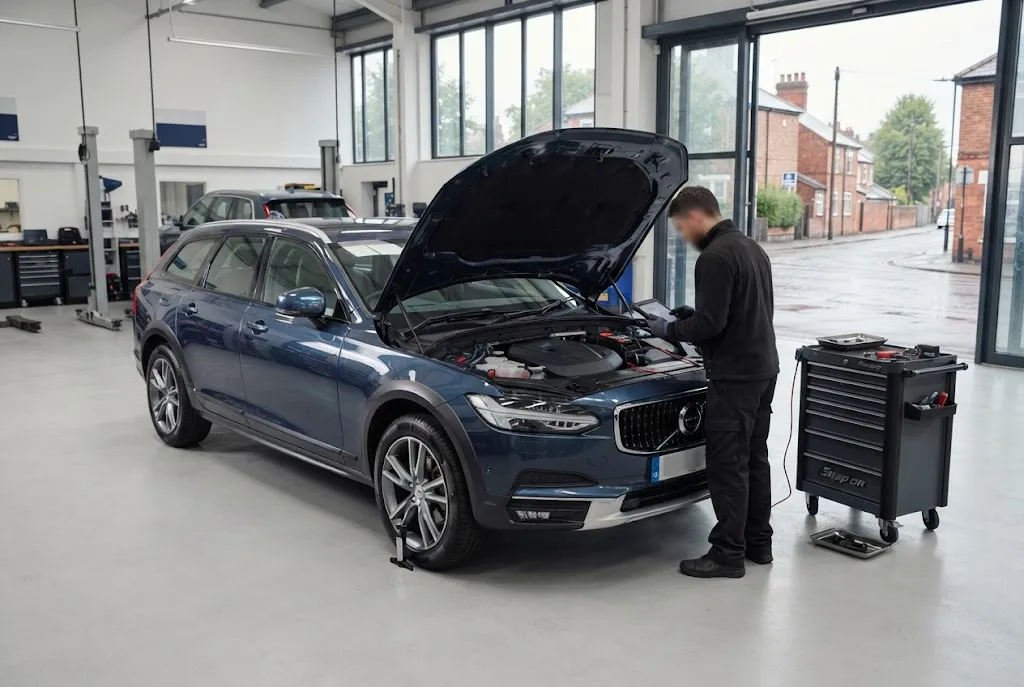
Vehicle maintenance is an ongoing responsibility that helps keep a family car safe, dependable and prepared for changing road and weather conditions. While routine servicing provides scheduled professional attention, everyday and seasonal checks can help identify problems before they develop into more serious or inconvenient faults.
UK drivers face a wide range of conditions throughout the year. Cold mornings, heavy rain, road salt, summer heat, long journeys and stop-start urban driving can all place different demands on a vehicle. A sensible maintenance routine should therefore adapt to the season while continuing to follow the manufacturer’s recommended maintenance schedule.
The good news is that maintaining a car does not have to be complicated. A combination of regular inspections, preventive maintenance, professional servicing and good record keeping can make vehicle ownership much easier to manage.
Why Vehicle Maintenance Matters Throughout the Year
A car can appear to be running normally while gradually developing problems. Tyres can lose pressure, batteries can weaken, fluids can become low and wipers can deteriorate without immediately causing an obvious change in everyday driving.
Regular vehicle maintenance provides opportunities to notice these changes. It also helps owners keep track of work that has already been completed and understand what maintenance may be approaching next.
GOV.UK makes clear that drivers are responsible for ensuring their vehicles are safe to drive and that a car can be unsafe even when it has a current MOT certificate. The official guidance recommends checking areas including lights, brakes, tyres and relevant fluid levels, while the vehicle handbook should be used for model-specific maintenance requirements. GOV.UK’s vehicle safety guidance is a useful reference for UK motorists.
For a broader approach to organising servicing, repairs and records, see SayNest’s guide to vehicle maintenance and service history.
Preventive Maintenance vs Reactive Repairs
Preventive maintenance means dealing with routine checks and scheduled work before a problem becomes a breakdown or major repair. It does not guarantee that a vehicle will never develop a fault, but it can help owners identify issues earlier.
Reactive repairs, on the other hand, happen after a problem has already appeared. A warning light, flat battery, damaged tyre or overheating problem may require immediate attention and can be particularly disruptive when the vehicle is needed for work, school runs or family travel.
The two approaches will always overlap because unexpected faults cannot be eliminated completely. However, following the manufacturer’s maintenance schedule and monitoring the vehicle between services can reduce the chance of overlooking basic maintenance needs.
Vehicle Maintenance in Spring
Spring is a useful time to review a vehicle after the colder and wetter months. Winter driving can expose tyres, wipers, lights, batteries and bodywork to demanding conditions, while road salt and dirt can accumulate around the vehicle.
Start with a visual inspection of the tyres. Check for obvious cuts, bulges, unusual wear and incorrect pressure. If one tyre repeatedly loses pressure, do not simply keep inflating it; arrange an appropriate inspection to establish why the pressure is falling.
Check the windscreen and wipers as well. Winter conditions can accelerate wear, while accumulated dirt can affect visibility. Washer fluid should also be kept at an appropriate level.
Spring is also a good opportunity to review the vehicle’s service history. If a scheduled service is approaching, arranging it before the car becomes heavily used for spring and summer travel can be practical.
Summer Vehicle Maintenance
Summer driving can bring different challenges. Longer journeys, motorway travel, high temperatures and increased use of air conditioning can place additional demands on a vehicle.
Before a summer holiday or extended road trip, check the tyres, fluids, lights, wipers and battery. Pay particular attention to the cooling system. A vehicle’s engine depends on the cooling system operating correctly, and signs of overheating or coolant loss should be investigated rather than ignored.
The Met Office recommends checking oil and coolant before long journeys and highlights battery and cooling-related issues as common causes of breakdowns in different seasons. Its long-journey vehicle checks provide additional guidance for UK motorists.
If your car has recently shown a warning light, developed unusual noises or changed its handling, it is better to investigate the issue before starting a long journey. An auto inspection and diagnostic check may be useful when the cause of a problem is not immediately obvious.
Winter Vehicle Checks You Should Not Ignore
Winter is one of the most important seasons for preventive vehicle maintenance in the UK. Shorter daylight hours, colder temperatures, rain, ice and occasional snow can make both vehicle preparation and driving conditions more demanding.
Begin with the battery. A battery that is already weak may struggle more in cold conditions, particularly when the vehicle is also using lights, heating and other electrical equipment. If the battery is showing signs of weakness or is approaching the end of its expected service life, consider having it professionally assessed.
Tyres also deserve careful attention. Check pressures against the manufacturer’s recommendations and inspect the tread and sidewalls for visible damage. GOV.UK’s Highway Code guidance advises checking tyre pressures regularly and notes that incorrect inflation can adversely affect braking and steering. The Highway Code’s vehicle maintenance guidance provides further information.
Wipers, screenwash and lights are equally important because visibility can deteriorate quickly in wet, dark or wintry conditions. Coolant and antifreeze should also be maintained according to the vehicle manufacturer’s requirements.
For more seasonal detail, SayNest’s seasonal vehicle maintenance guide covers checks for changing weather and longer journeys.
Vehicle Maintenance Checklist for Families
A simple maintenance checklist can help families avoid relying entirely on memory. The exact requirements vary by vehicle, so the manufacturer’s handbook should remain the primary reference.
A practical checklist can include:
- Tyre pressures and visible tyre condition
- Tyre tread and signs of uneven wear
- Brake performance and unusual brake noises
- Engine oil level where appropriate
- Coolant level and visible signs of leaks
- Windscreen washer fluid
- Wiper blade condition
- Headlights, indicators and brake lights
- Battery condition and starting performance
- Dashboard warning lights
- Unusual engine noises or vibrations
- Changes in steering or handling
- Upcoming servicing requirements
This checklist should not be treated as a substitute for professional servicing. Instead, it provides a practical way to notice changes between scheduled appointments.
Battery Care Throughout the Year
Battery care is often associated with winter, but batteries should not be forgotten during warmer months. A battery gradually loses performance with age, while driving patterns can also influence how well the vehicle’s electrical system is maintained.
Frequent short journeys may provide less opportunity for the battery to recover charge than longer drives, although the effect depends on the vehicle and its electrical system. If the car repeatedly struggles to start, do not automatically assume that replacing the battery is the only solution.
A professional check can help determine whether the issue involves the battery, charging system, electrical connections or another component.
SayNest’s auto battery service guide explains why battery testing and wider electrical-system checks can be useful when starting problems occur.
Tyre Inspection Should Be Part of Your Routine
Tyres are among the most important components to monitor because they provide the contact between the vehicle and the road. Incorrect pressure, damage or excessive wear can affect handling, braking and stability.
Check the pressure according to the vehicle manufacturer’s specifications rather than using a generic figure. The recommended pressure may differ depending on the vehicle and load.
Also inspect the visible tyre condition. Look for cuts, cracks, bulges and unusual wear. If one side of a tyre is wearing significantly faster than the other, there may be an underlying issue involving alignment, suspension or another component.
GOV.UK states that car tyres must meet applicable legal requirements and be free from cuts and defects. It also advises drivers to check tyres as part of maintaining roadworthiness.
If you notice uneven tyre wear or steering-related symptoms, SayNest’s guide to wheel alignment and tyre care can help explain why further inspection may be appropriate.
Brake Inspection and Warning Signs
Brakes require attention throughout the year rather than only before an MOT. Changes in braking performance can indicate a problem that needs investigation.
Drivers should pay attention to unusual noises, vibration during braking, a brake pedal that feels different or a vehicle that pulls to one side when braking. These symptoms do not identify a specific fault on their own, but they should not be ignored.
Brake fluid levels and other brake-system checks should be carried out according to the vehicle manufacturer’s guidance. If you are unsure how to inspect a particular component safely, seek professional assistance rather than experimenting with unfamiliar mechanical work.
The Highway Code notes that under-inflated or over-inflated tyres can adversely affect braking and steering, while certain brake or tyre symptoms can indicate faults requiring correction. Official vehicle maintenance guidance should be used alongside the manufacturer’s instructions.
Cooling System Checks in Warm Weather
The cooling system plays an important role in maintaining appropriate engine temperature. This makes it particularly relevant before summer journeys and periods of heavier use.
Drivers should follow the vehicle handbook when checking coolant levels and should never open a hot cooling system unnecessarily because pressurised coolant can cause serious burns.
A noticeable drop in coolant level, visible leak, overheating warning or repeated increase in engine temperature should be investigated promptly. Simply adding more coolant without understanding why the level is falling may not resolve the underlying problem.
If you are preparing for a long summer journey and have noticed any cooling-related symptoms, arranging an inspection before travelling can be a sensible precaution.
Service Reminders and Maintenance Records
Service reminders can make vehicle ownership easier because they provide a prompt when scheduled maintenance is approaching. However, reminders should complement rather than replace the manufacturer’s maintenance schedule.
Keep a record of service dates, mileage, repairs, replacement parts and recommendations from your garage. Digital records can be particularly useful for families because more than one person may drive the same vehicle.
Good records also make it easier to identify recurring problems. If the same component or symptom has appeared repeatedly, a documented history gives the garage more useful information when investigating the issue.
When Preventive Maintenance Becomes a Professional Job
Some basic checks are straightforward for an owner, but not every maintenance task should be attempted at home. Modern vehicles can contain complex electrical systems, driver-assistance technology and powertrain components that require suitable diagnostic equipment and technical knowledge.
Professional assistance is appropriate when you encounter a persistent warning light, suspected brake problem, overheating, repeated battery failure, unusual steering behaviour, significant vibration or an unexplained mechanical noise.
If a vehicle becomes unsafe to drive, do not continue using it simply because the next service or MOT is still some time away. GOV.UK places responsibility on drivers to ensure their vehicles are safe to drive.
For urgent problems away from home, SayNest’s emergency auto repair and roadside assistance guide explains some of the options that may be available.
Preparing Your Vehicle Before a Long Journey
A long journey is a good reason to perform a more structured review of your vehicle. This does not mean every family car needs a full professional service immediately before a holiday. Instead, check whether scheduled maintenance is due and review the vehicle’s basic condition.
Before departure, consider checking:
- Tyre pressures and visible tyre condition
- Oil and coolant levels where appropriate
- Lights and indicators
- Wipers and screenwash
- Battery and starting performance
- Brakes and any recent braking symptoms
- Dashboard warning lights
- Fuel level and expected journey requirements
- Any unusual noise, vibration or handling change
The Met Office recommends checking important areas such as oil, coolant, battery, wipers, lights and tyres before long journeys. Its vehicle-check guidance is particularly useful when preparing for extended UK travel.
Keeping Vehicle Maintenance Affordable
Preventive maintenance can also make vehicle ownership easier to budget because planned work is generally easier to anticipate than an unexpected major repair. That does not mean every repair can be avoided, but regular attention can help identify maintenance requirements before they become more disruptive.
When a garage recommends additional work, ask what the issue is, whether it is urgent and what the proposed repair involves. Request a clear quotation before approving non-essential work.
It can also help to compare suitable garages rather than choosing solely on price. SayNest’s garage comparison guide covers factors including services, customer reviews, pricing transparency, workshop expertise and convenience.
Vehicle Maintenance Through Every Season
There is no single checklist that can replace the manufacturer’s maintenance schedule, because every vehicle has different requirements. However, a consistent routine can make it much easier to keep track of the basics.
In spring, review the effects of winter. In summer, pay particular attention to cooling, tyres and long-journey preparation. As autumn approaches, check lights, wipers and battery condition before darker and wetter conditions become more common. During winter, pay close attention to tyres, visibility, battery performance, coolant and preparation for adverse weather.
Throughout the year, respond to warning lights and changes in vehicle behaviour rather than waiting for the next scheduled service.
Final Thoughts
Effective vehicle maintenance is less about performing complicated repairs yourself and more about developing a reliable routine. Follow the manufacturer’s maintenance schedule, monitor important components, keep accurate records and arrange professional assistance when a problem requires technical knowledge or equipment.
Seasonal checks can complement routine servicing by focusing attention on components that may be affected by changing weather and driving conditions. For families that depend on their cars every day, this structured approach can make vehicle ownership more predictable and help ensure the car is prepared for everyday journeys as well as longer trips.
Frequently Asked Questions About Vehicle Maintenance
How often should I check my car?
The frequency depends on the component and the vehicle manufacturer’s recommendations. Some checks, such as tyres and visible lights, should be performed regularly, while other maintenance tasks follow specific time or mileage intervals.
Does vehicle maintenance replace an MOT?
No. Routine maintenance and servicing have a different purpose from an MOT. An MOT checks specific legal safety and environmental requirements, while maintenance follows the vehicle’s broader servicing and mechanical requirements.
What is preventive maintenance?
Preventive maintenance involves carrying out scheduled servicing and routine checks before a known maintenance need becomes a more serious fault. It includes following the manufacturer’s schedule and monitoring the vehicle between services.
Should I check my car before a long journey?
Yes. A basic pre-journey review of tyres, lights, fluids, wipers, battery, brakes and warning lights can help identify issues that may need attention before travelling.
When should I ask a garage to inspect my car?
Professional inspection is appropriate when you notice warning lights, unusual noises, vibration, overheating, steering or braking changes, repeated starting problems or other symptoms that you cannot safely diagnose yourself.
