

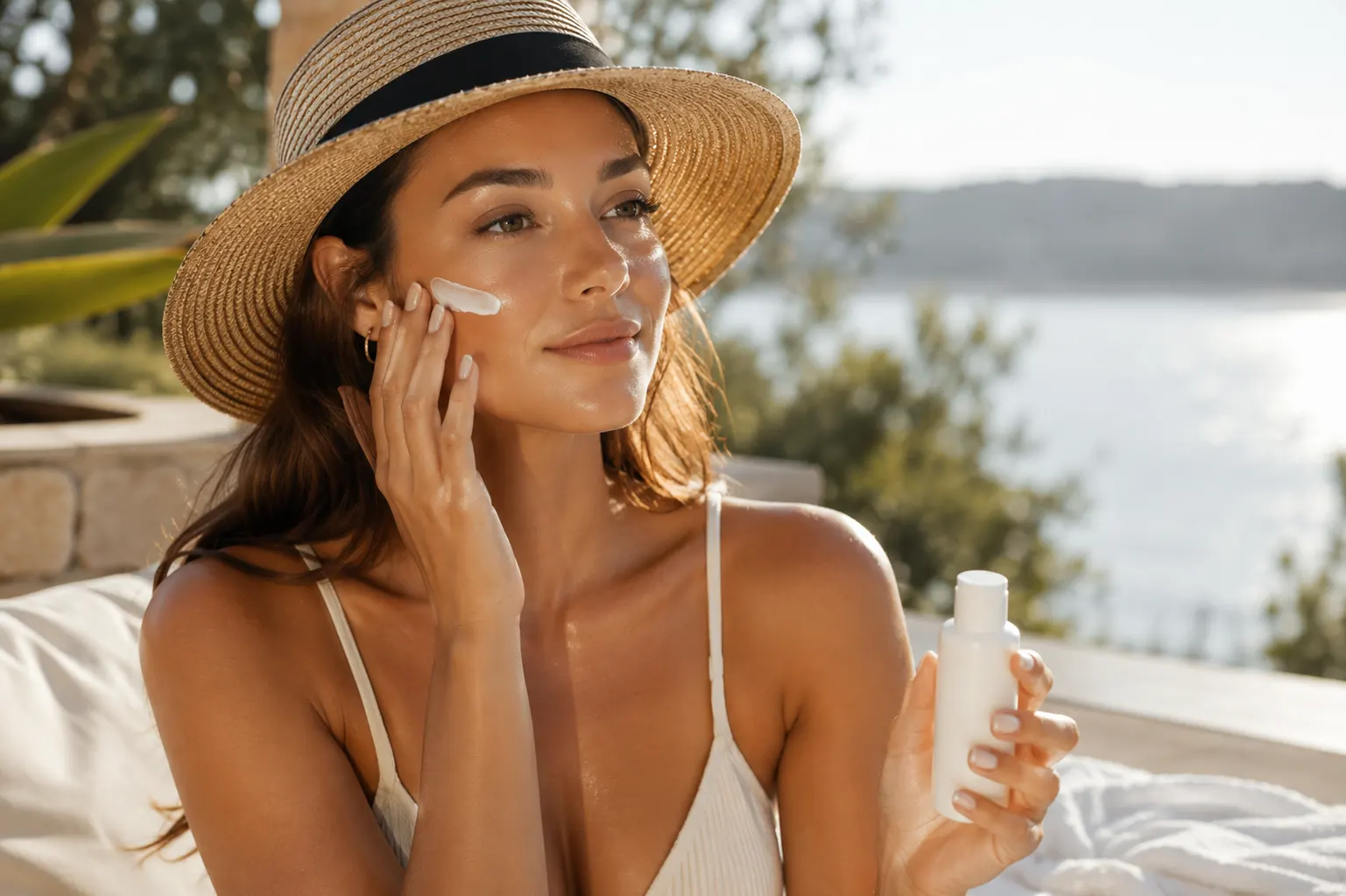
Sunscreen has become one of the most important skincare products for maintaining healthy skin and preventing long-term sun damage. Whether the weather is sunny, cloudy, or cold, UV exposure can still affect the skin throughout the year.
Daily SPF protection helps reduce the risk of premature ageing, pigmentation, sunburn, and environmental skin damage. However, with so many formulas available, choosing the best sunscreen for skin can feel confusing, especially when different skin types react differently to ingredients and textures.
Understanding how sunscreen works and selecting products suited to your individual skin needs can make a major difference in both comfort and long-term skin health.
Why Sunscreen Is Important Every Day
Many people only apply sunscreen during holidays or hot summer weather, but UV exposure occurs year-round.
Daily SPF protection helps protect against:
- Premature ageing
- Sunburn
- Hyperpigmentation
- Fine lines and wrinkles
- Loss of skin elasticity
- Long-term skin damage
Consistent sunscreen use is also one of the most important steps in maintaining a healthy skincare routine for glowing skin.
Understanding SPF Protection
SPF stands for Sun Protection Factor. It measures how effectively a sunscreen protects the skin against UVB rays, which are primarily responsible for sunburn.
Common SPF Levels
- SPF 15: basic daily protection
- SPF 30: blocks approximately 97% of UVB rays
- SPF 50: offers higher protection for sensitive skin or prolonged exposure
Most dermatologists recommend using SPF 30 or higher for daily protection.
Difference Between UVA and UVB Protection
Effective sunscreens should offer broad-spectrum protection.
UVA Rays
UVA rays penetrate deeper into the skin and contribute to premature ageing and pigmentation.
UVB Rays
UVB rays mainly affect the outer layers of the skin and are closely linked to sunburn.
Broad-spectrum sunscreens help protect against both UVA and UVB exposure.
How to Choose Sunscreen Based on Skin Type
Best Sunscreen for Oily Skin
People with oily skin usually benefit from lightweight, non-comedogenic formulas that do not clog pores.
Look for:
- Gel-based sunscreens
- Oil-free formulas
- Matte finishes
- Non-comedogenic labels
Best Sunscreen for Dry Skin
Dry skin often benefits from hydrating sunscreen formulas containing moisturising ingredients.
Helpful ingredients include:
- Hyaluronic acid
- Glycerin
- Ceramides
- Squalane
Best Sunscreen for Sensitive Skin
Sensitive skin types may react better to mineral sunscreens containing zinc oxide or titanium dioxide.
Fragrance-free formulas are usually recommended for sensitive skin.
Best Sunscreen for Combination Skin
Combination skin often requires balanced lightweight formulas that hydrate without creating excess shine.
Mineral vs Chemical Sunscreen
Mineral Sunscreen
The Mineral sunscreens physically block UV rays using ingredients like zinc oxide and titanium dioxide.
Advantages include:
- Suitable for sensitive skin
- Immediate protection after application
- Lower irritation risk
Chemical Sunscreen
Chemical sunscreens absorb UV rays before they damage the skin.
Advantages include:
- Lighter texture
- Easier blending
- Invisible finishes
Choosing between them usually depends on skin sensitivity, texture preference, and lifestyle.
Should You Wear Sunscreen Indoors?
Many dermatologists recommend wearing sunscreen indoors if you spend long periods near windows or use screens frequently throughout the day.
UVA rays can still penetrate glass, contributing to long-term skin ageing.
How Much Sunscreen Should You Apply?
Using too little sunscreen significantly reduces protection levels.
Most adults need approximately:
- Two finger lengths for the face and neck
- A generous amount for exposed body areas
Sunscreen should also be reapplied every two hours during prolonged outdoor exposure.
Can Sunscreen Help Prevent Premature Ageing?
Consistent SPF protection is considered one of the most effective ways to reduce visible signs of ageing caused by sun exposure.
Regular sunscreen use may help reduce:
- Fine lines
- Dark spots
- Uneven skin tone
- Loss of firmness
Many skincare professionals also recommend combining sunscreen use with professional skin rejuvenation treatments to support healthier and more hydrated skin.
Common Sunscreen Mistakes
Skipping Daily Application
UV exposure happens even during cloudy weather.
Not Reapplying Sunscreen
Sweating, water exposure, and time reduce sunscreen effectiveness.
Using Expired Products
Expired sunscreen may provide reduced protection.
Ignoring Neck and Hands
These areas often show early signs of sun damage and ageing.
How Sunscreen Fits Into a Face Care Routine
Sunscreen should generally be the final skincare step before makeup application.
A simple morning skincare routine may include:
- Cleanser
- Hydrating serum
- Moisturiser
- Sunscreen
People following advanced beauty routines often combine SPF protection with professional skincare appointments and salon treatments such as luxury beauty and hair services in London for complete self-care maintenance.
Choosing Sunscreen for Different Seasons
Summer
Higher SPF and water-resistant formulas are often preferred during hotter weather.
Winter
Hydrating sunscreen formulas help support skin moisture during colder months.
Daily Urban Use
Lightweight non-greasy formulas are usually more comfortable for everyday wear.
The American Academy of Dermatology sunscreen guide explains how broad-spectrum SPF protection supports long-term skin health and helps reduce UV-related damage.
Final Thoughts
Choosing the best sunscreen for skin protection depends on your skin type, lifestyle, daily routine, and comfort preferences. Whether you prefer lightweight gel formulas, hydrating creams, or mineral sunscreens for sensitive skin, consistent SPF protection remains one of the most important skincare habits for maintaining healthy skin.
By understanding ingredients, SPF levels, and proper application methods, you can protect your skin against long-term environmental damage while supporting a healthier, brighter complexion throughout the year.
