

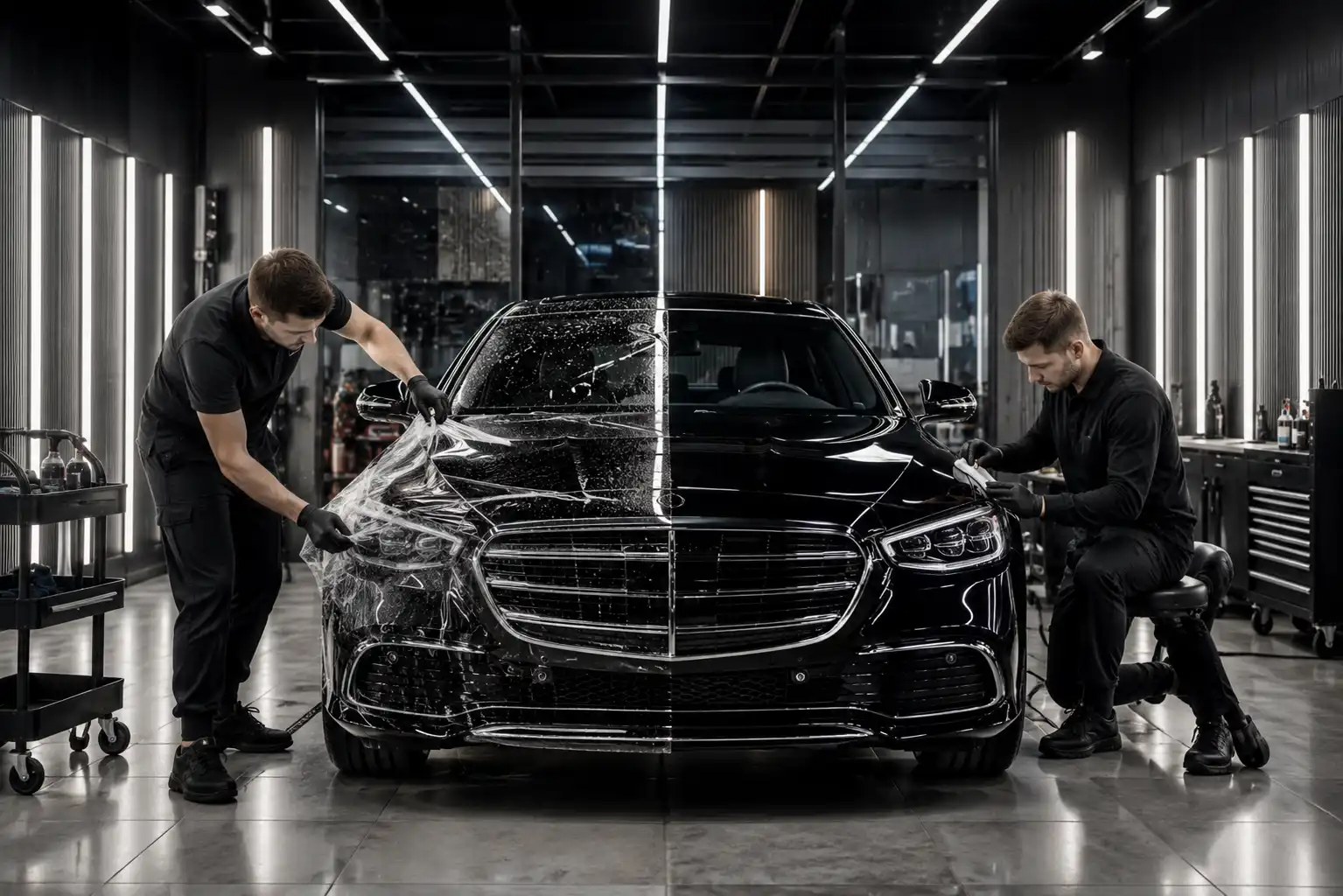
Protecting a vehicle’s paintwork has become a major priority for many UK car owners. Modern vehicles are constantly exposed to road debris, harsh weather, UV rays, bird droppings, tree sap, and urban pollution. Over time, these factors can damage paint finishes and reduce a vehicle’s appearance and resale value.
As a result, more drivers are now investing in advanced car paint protection solutions such as paint protection film and ceramic coating. While both options are designed to preserve the vehicle’s exterior, they work differently and provide different levels of protection.
Understanding the strengths, limitations, and costs of each option can help you decide which solution is best for your vehicle and driving habits.
What Is Paint Protection Film?
Paint protection film, often called PPF, is a transparent polyurethane film applied directly to the surface of a vehicle. It creates a physical protective barrier between the paintwork and external contaminants.
PPF is commonly installed on high-impact areas such as:
- Front bumpers
- Bonnets
- Wing mirrors
- Door edges
- Side skirts
- Wheel arches
Many premium installations also include full-body coverage for maximum protection.
Main Benefits of Paint Protection Film
- Protects against stone chips
- Reduces minor scratch damage
- Self-healing properties on some films
- Protects against UV exposure
- Helps preserve resale value
- Provides long-term physical paint protection
Modern paint protection film products are designed to remain nearly invisible while preserving the original paint finish.
What Is Ceramic Coating?
Ceramic coating is a liquid polymer coating applied to the exterior paintwork of a vehicle. Once cured, it forms a protective chemical layer that bonds with the surface.
Unlike PPF, ceramic coating does not create a thick physical barrier. Instead, it improves surface resistance against contaminants while enhancing gloss and hydrophobic performance.
Main Ceramic Coating Benefits
- Enhanced paint gloss and shine
- Water-repellent surface protection
- Reduced dirt and grime buildup
- Easier vehicle cleaning
- UV and chemical resistance
- Improved long-term paint appearance
Ceramic coating has become especially popular among owners who regularly invest in professional car detailing services in London because it helps maintain a polished appearance between detailing sessions.
Key Differences Between PPF and Ceramic Coating
Level of Physical Protection
Paint protection film offers significantly stronger defence against physical damage such as stone chips, scratches, and road debris.
Ceramic coating mainly protects against environmental contaminants rather than impact damage.
Appearance and Gloss
Ceramic coating generally provides a deeper gloss finish and enhanced water beading effects.
PPF can also improve appearance, but its primary purpose is physical protection rather than visual enhancement.
Durability
High-quality PPF installations can last between 5 and 10 years depending on maintenance and driving conditions.
Ceramic coatings typically last between 2 and 5 years depending on product quality and aftercare.
Maintenance Requirements
Both options reduce cleaning difficulty, but ceramic coating makes washing especially easier due to its hydrophobic properties.
PPF still requires proper cleaning and maintenance to preserve clarity and performance over time.
Which Option Is Better for UK Driving Conditions?
UK roads and weather conditions expose vehicles to a variety of paint hazards throughout the year.
Paint Protection Film Is Often Better For:
- Motorway driving
- Performance vehicles
- Luxury or high-value cars
- Long-distance commuting
- Drivers concerned about stone chips
Ceramic Coating Is Often Better For:
- Daily cleaning convenience
- Gloss enhancement
- Urban driving
- Routine paint maintenance
- Reducing dirt buildup
Some vehicle owners actually combine both systems by applying paint protection film to high-impact areas and ceramic coating over the rest of the vehicle.
How Much Do They Cost in the UK?
Costs vary depending on vehicle size, product quality, installation complexity, and installer reputation.
Typical Ceramic Coating Costs
- Entry-level coating: £300–£600
- Premium coating packages: £800–£1,500+
Typical Paint Protection Film Costs
- Partial front-end PPF: £700–£1,500
- Full vehicle PPF: £3,000–£6,000+
Although PPF is usually more expensive, it also provides stronger physical protection against paint damage.
Can Paint Protection Reduce Maintenance Costs?
Both ceramic coating and PPF can help reduce long-term cosmetic maintenance expenses.
Protected paintwork generally requires:
- Less frequent polishing
- Reduced paint correction work
- Fewer cosmetic repairs
- Easier cleaning routines
- Improved paint longevity
Drivers who follow consistent vehicle maintenance routines often combine cosmetic protection with mechanical servicing to preserve both performance and appearance.
Choosing the Right Installer Matters
The quality of installation is just as important as the product itself.
Look for Experienced Installers
Improper installation can lead to bubbles, peeling edges, or uneven coating performance.
Review Previous Work
Professional installers usually provide before-and-after examples of completed projects.
Ask About Warranty Coverage
Many premium PPF and ceramic coating products include manufacturer-backed warranties.
The Autoglym paint protection comparison guide explains how both systems differ in terms of protection, maintenance, and durability.
Do You Still Need Regular Maintenance?
Even with advanced paint protection installed, routine vehicle care remains important.
Drivers should still maintain:
- Regular washing schedules
- Safe hand-washing methods
- Routine servicing inspections
- Brake and tyre checks
- Air conditioning maintenance
Protective coatings cannot prevent mechanical problems, so regular servicing and inspections remain essential. Drivers experiencing warning signs such as reduced stopping power should still arrange professional brake repair inspections promptly.
Final Thoughts
Choosing between paint protection film and ceramic coating depends largely on your budget, driving habits, and protection priorities.
If your main concern is defending against stone chips and physical paint damage, paint protection film usually offers the strongest protection. If you want easier maintenance, improved gloss, and better resistance against dirt and contaminants, ceramic coating may be the better option.
For many vehicle owners, combining both systems delivers the best balance of appearance, durability, and long-term paint protection. Investing in proper installation and ongoing maintenance can help preserve your vehicle’s condition and value for years to come.
