

Making a will is one of those jobs most of us keep putting off, yet it is also one of the simplest ways to look after the people you love. A will sets out who gets what when you die, who looks after your children, and who carries out your wishes. Without one, the law decides for you, and it may not decide the way you would have wanted.
Learning how to make a will in the UK is easier than most people expect. You do not need a solicitor for a straightforward will, though professional help is worth it when your affairs are complicated. This guide walks through each step in plain language, so you can get it done and stop worrying about it.
What a Will Actually Does
A will is a legal document that says what should happen to your money, your property and your possessions after you die. It names the people you want to inherit, known as beneficiaries, and it names the people who will carry out your instructions, known as executors.
Your will can also name guardians for children under 18, set out funeral wishes, and leave specific items to specific people, such as a piece of jewellery to a granddaughter or a car to a son. It can set up a trust for young children, so money is held for them until they reach an age you choose.
What a will cannot do is override everything. Some assets pass outside a will, such as a jointly owned home that passes to the surviving owner, or a pension with a named beneficiary. Check these separately and make sure the nominations match your wishes. If you have recently bought a home, our guide to how to buy your first home covers the ownership choices that affect what happens later.
What Happens If You Die Without a Will
Dying without a will is called dying intestate. When that happens, strict rules called the rules of intestacy decide who inherits. A married partner or civil partner inherits first, followed by children, then parents and siblings. Unmarried partners inherit nothing under these rules, no matter how long they lived together.
That surprises many people. A couple who have lived together for twenty years, raised children and shared a mortgage may find the surviving partner has no automatic right to the home or the savings. A will fixes this in one document.
Intestacy also takes longer and costs more to sort out. The family must apply for letters of administration instead of probate, and the court decides who can act. A clear will avoids that delay at a time when the family is already coping with grief. Our guide to the small claims court in the UK explains a different part of the legal system, but the lesson is the same: knowing the process in advance saves stress later.
Step One: Work Out What You Own
Start by listing everything you own. Include your home, savings, investments, pension, car and valuable possessions. Then list what you owe, such as a mortgage, loans and credit card balances. The difference is roughly the value of your estate.
This list matters for two reasons. First, it helps you decide who gets what. Second, it tells you whether inheritance tax might apply. In the UK, no inheritance tax is due on the first 325,000 pounds of an estate, and that threshold can rise where a home passes to children or grandchildren. Most estates fall below the threshold, but a home in London or the south east can push a modest estate over it.
Keep the list with your will, and update it when things change. A new home, a new child or a large gift all change the picture. Reviewing your finances once a year is a good habit anyway, and our guide to the best ways to save money in 2026 is a useful starting point if your savings need attention.
Step Two: Decide Who Gets What
Think about the people who matter to you and what each of them needs. A partner may need the home and the savings. Children may need money held in trust until they are older. An elderly parent may need support. A charity close to your heart may deserve a gift.
Be specific where it matters. Saying “my jewellery to my daughter” can cause arguments if there are several daughters or many pieces. Naming the item and the person avoids that. For the rest, a simple split works well, such as half to your partner and half divided between your children.
Also decide who should be the executor. Choose someone organised and trustworthy, often a partner, a sibling or a close friend. Ask them first, since the job takes time and involves paperwork. You can name two executors, and many people name a partner plus a sibling or a professional. If you are starting to invest for the future, our guide to investing for beginners explains the basics of building savings that a will can then protect.
Step Three: Choose Guardians for Your Children
If you have children under 18, naming guardians in your will is one of the most important things you can do. Without a named guardian, the court decides who raises your children, and that decision may not match what you would have wanted.
Talk to the people you have in mind before you name them. Raising someone else’s children is a huge commitment, and they should agree willingly. Choose people whose values match yours and who have the time and health to take on the role.
You can also name different guardians for different children, though most parents name one couple for all of them. You can set out your wishes about schooling and upbringing in a separate letter of wishes, which sits alongside the will and guides the guardians without being legally binding.
Step Four: Write the Will and Sign It Correctly
You can write a will yourself using a template, use an online will writing service, or go to a solicitor. A template or online service suits a simple estate: a home, some savings, a partner and children. A solicitor is worth the cost when your affairs are complex, such as a business, property abroad, a second marriage or a disabled beneficiary who needs a trust.
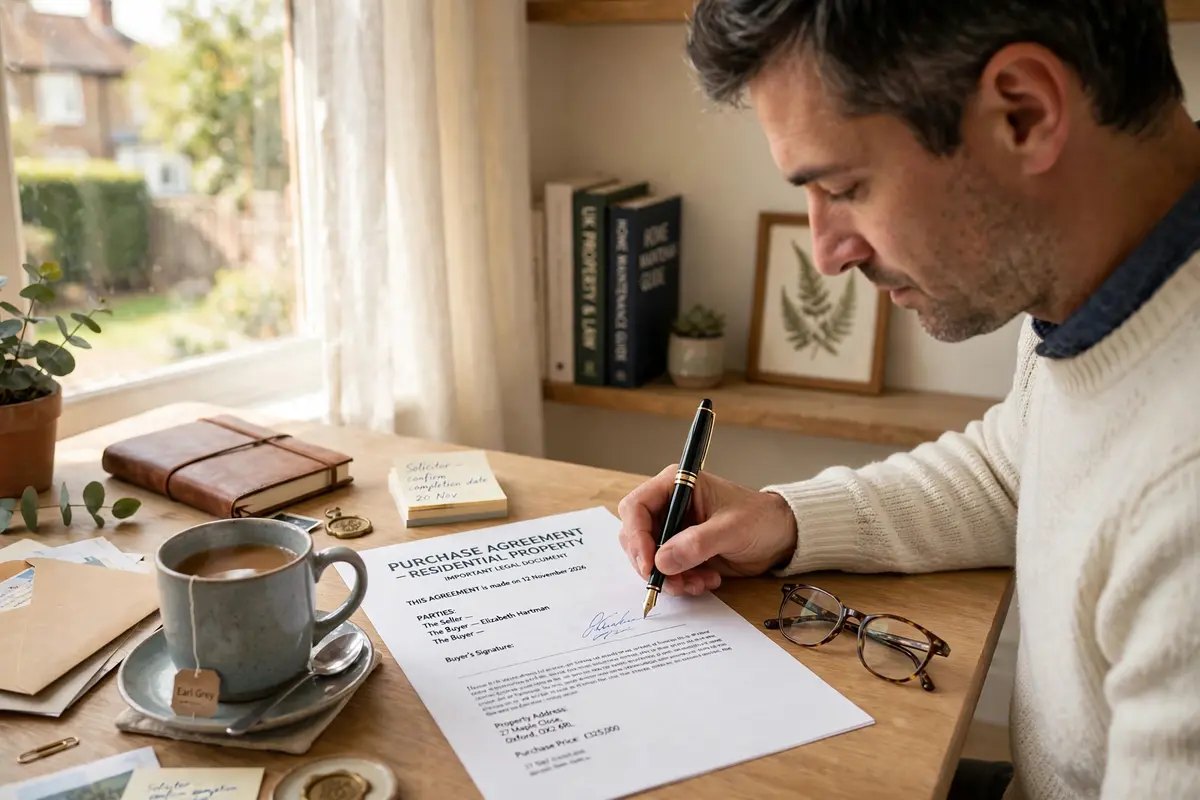
Whatever route you choose, the signing rules are strict. You must sign the will in front of two independent witnesses, who must both be present at the same time and must both sign it. The witnesses must be over 18, must not be beneficiaries, and must not be married to a beneficiary. If a beneficiary witnesses the will, their gift fails.
Do not staple or pin anything to the will after signing, and do not write on it. Any marks or additions can raise questions about whether the will is valid. If you need to change something, make a new will or add a formal codicil, signed and witnessed in the same way.
How Much Does a Will Cost
A simple will from a solicitor usually costs between 150 and 300 pounds for a single will, and a little more for a pair of mirror wills for a couple. Online will writing services charge less, often between 50 and 100 pounds, and charity will schemes sometimes offer a free simple will in return for a donation.
DIY templates cost the least but carry the most risk. A mistake in wording or signing can make the whole will invalid, and the cost of fixing that falls on your family after you are gone. For most people, a solicitor or a reputable online service is money well spent. If you drive, you will know the same logic applies to insurance: our guide to car insurance for young drivers shows how the cheapest option is not always the best value.
Where to Keep Your Will Safe
Keep the original will somewhere safe and tell your executors where it is. A solicitor will often store it for free. You can also keep it at home in a fireproof box, or with the Probate Service for a small fee. Do not keep it in a bank safety deposit box that no one can open after your death.
Give your executors a copy, and keep a note of the solicitor’s name and address with your important papers. A will that no one can find is almost as bad as no will at all. Tell your family that a will exists, even if you do not want to discuss the details.
When to Update Your Will
Review your will every three to five years, and after any big life change. Marriage automatically cancels a will in England and Wales, so you must make a new one after you marry. Divorce does not cancel a will, but it removes an ex partner as a beneficiary and executor, which may not be what you intended.
Other triggers include the birth of a child, the death of a beneficiary or executor, buying or selling a home, a large inheritance, or a move abroad. A will is not a one off task. It is a document that should grow with your life.
One common mistake is updating a will by crossing things out by hand. Handwritten changes are not valid unless they are signed and witnessed like the original. Always make changes properly, through a new will or a codicil.
A Real Example: A Couple in Manchester
A couple in Manchester in their late thirties, with two young children and a mortgaged house, had talked about making a will for years but never got round to it. After the birth of their second child, they booked a solicitor and spent one evening working through the questions. They named each other as the main beneficiaries, set up trusts for the children until age 25, named the wife’s sister as guardian, and left a small gift to a local hospice.
The whole process took three weeks and cost 240 pounds for the pair. They now review the will every January, when they also check their home insurance and their savings. Our guide to home insurance explained covers the buildings and contents cover that sits alongside a will in protecting a family home.
Getting It Done This Month
Start today by listing what you own and who matters to you. That list is the hard part, and it takes an hour at most. Then choose your route: a solicitor for a complex estate, an online service for a simple one. Book the appointment or start the online form this week, and aim to have the will signed and witnessed within the month.
Making a will is not about dwelling on death. It is about making sure the people you love are looked after, and that your wishes are clear when it matters most. Once it is done, you can put it away and get on with life, knowing the job is finished.
